 listicle
Affordable Alternatives to Expensive Life Coaching
Table of Contents
- Why Life Coaching Costs So Much, And Why You Don't Always Need It
- Life Coaching vs Therapy Differences: Which One Actually Fits Your Needs
- Best Apps for Goal Setting and Accountability
- Self-Coaching Techniques for Beginners
- Online Learning Platforms as Affordable Coaching Alternatives
- Peer Support and Community-Based Alternatives
- Comparison Table: Cost and Value Across Alternatives
- Conclusion
Last Updated: August 26, 2026

Why Life Coaching Costs So Much, And Why You Don't Always Need It
Professional life coaching runs $100 to $500 per session, with annual retainers of $5,000 to $20,000 or more (bls.gov). The premium pricing reflects personalized attention and accountability, but you don't necessarily need a personal coach to achieve meaningful growth. Many people delay action waiting for the "perfect" coach, missing proven alternatives that deliver similar outcomes at a fraction of the cost.
At Soul Perfect, we understand that personal growth shouldn't be gatekept by budget constraints. This guide helps you access coaching-like support, accountability, and skill acquisition through apps, communities, and self-directed learning platforms. Alternatives range from free peer support to low-cost structured learning, each addressing different needs: accountability, habit tracking, therapeutic-style support, or self-coaching frameworks.
Life Coaching vs Therapy Differences: Which One Actually Fits Your Needs
Life coaching and therapy serve fundamentally different purposes.
Life coaching focuses on goal-setting, accountability, and forward movement. A coach assumes you're functioning well and want to accelerate progress in a specific area: career advancement, relationship skills, confidence, or productivity. Coaches use facilitated learning and hold you accountable to commitments. The relationship is typically shorter-term and outcome-focused.
Therapy addresses mental health, emotional healing, and psychological patterns. A therapist helps you process past experiences, manage anxiety or depression, heal trauma, and understand behavioral patterns. Therapy is longer-term and diagnostic, designed to treat clinical conditions.
The practical difference: stuck in a career transition? Coaching works. Struggling with depression preventing you from functioning? Therapy is appropriate. Grieving and needing to process emotions? Therapy. Recovered from grief and wanting to rebuild intentionally? Coaching.
Many people benefit from both. You might see a therapist for underlying anxiety, then work with a coach on professional skills. Affordable alternatives exist for both: platforms like 7 Cups for affordable online counseling offer therapy, while coaching-style accountability comes from apps and communities.
Best Apps for Goal Setting and Accountability
Goal-setting apps remove friction from accountability. Instead of paying $150 for a coach to check progress, use tools that automate reminders, track progress, and connect you with accountability partners.
Focusmate: Accountability Through Virtual Co-Working
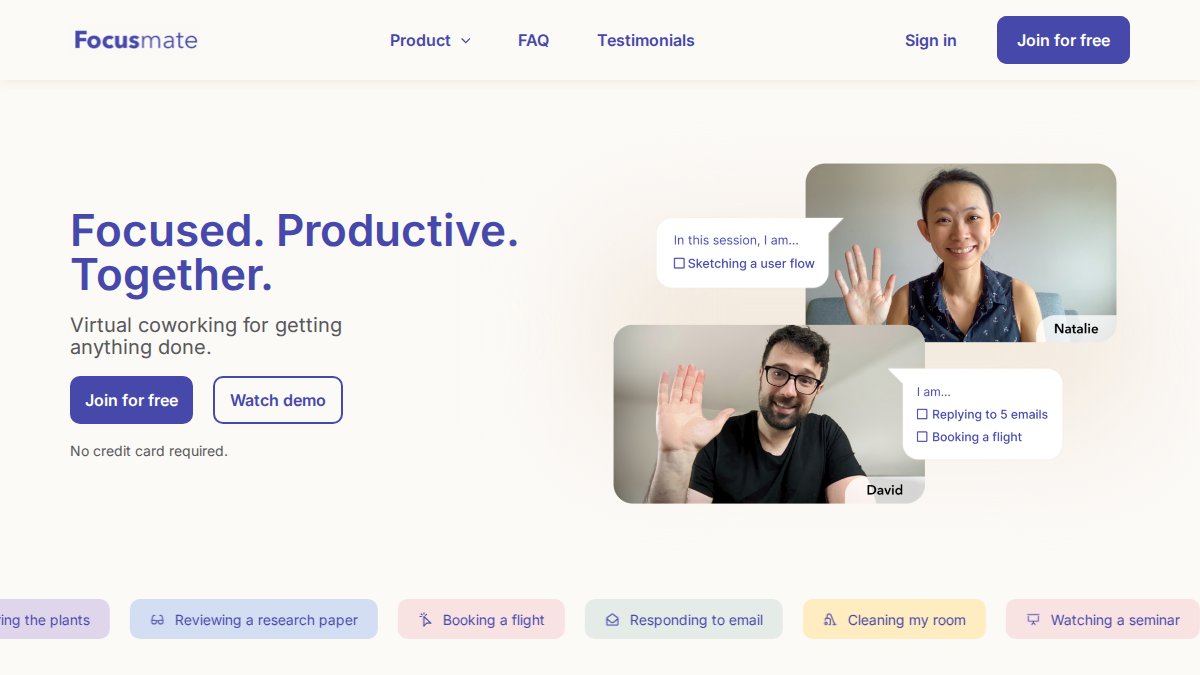
Focusmate connects you with a partner for 50-minute sessions where you both work on your own tasks while on camera together. You spend five minutes stating your goal, 40 minutes working silently, then five minutes reporting accomplishments.
Focusmate offers a free tier (three sessions per week) and paid plans for unlimited sessions. The free tier is genuinely usable for building momentum on priority projects. It works best for people who struggle with procrastination or need external structure to focus.
The limitation: Focusmate provides accountability, not coaching. Your partner isn't trained to help you work through obstacles or develop strategy.
Reflection App: AI-Powered Personal Insights
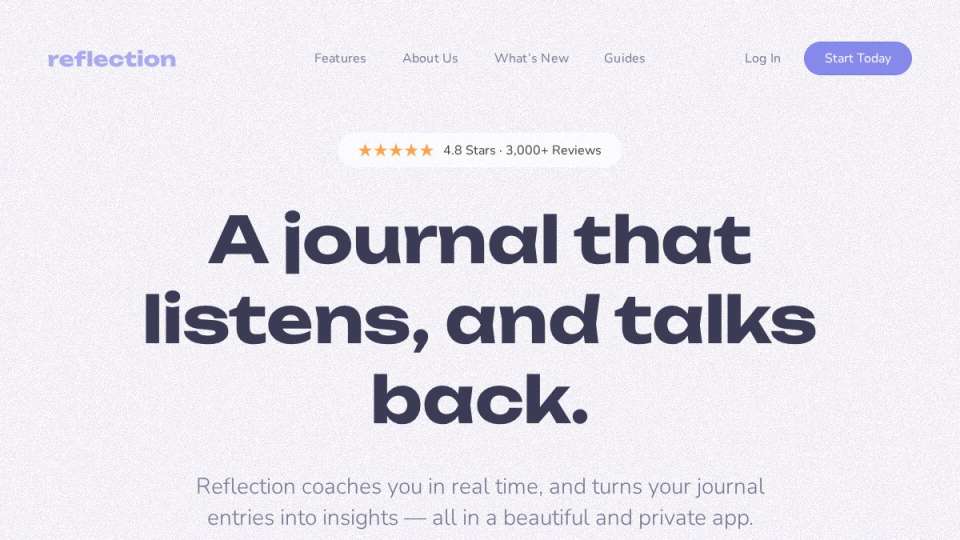
Reflection is an AI journaling app that turns your reflections into actionable insights. Write about your day or challenges, and the app identifies patterns and generates insights automatically. It creates structured reviews, weekly summaries, monthly themes, and annual reflections. You can also request on-demand AI coaching sessions about your entries.
Reflection works best for people who process through writing and want to see patterns emerge from their own experience. Free features include basic journaling; premium unlocks AI insights and coaching sessions.
The Five Minute Journal: Gratitude and Daily Reflection
Built on positive psychology research, The Five Minute Journal guides you through a simple daily ritual: write three things you're grateful for, set an intention, then reflect on wins and learning at day's end (peer-reviewed research). The app makes it easy to build the habit with reminders and mood tracking.
This works best for people who want to shift their mindset toward the positive. It's not designed to solve complex problems, but a daily practice that builds resilience and self-awareness over time.

Self-Coaching Techniques for Beginners
If you can't afford a coach, you can coach yourself by asking powerful questions, identifying patterns, and holding yourself accountable.
Start with clarity. Write about what you genuinely want, not what you think you should want. Describe your ideal outcome in specific detail. What does success look like? How will you feel? What will be different?
Identify the gap. Write about the gap between where you are and where you want to be. What's stopping you? Is it a skill you lack, a limiting belief, fear, or unclear next steps? Be honest.
Ask yourself coaching questions. Write answers to questions like:
- What's one small action I could take this week?
- What's the real obstacle here, is it external or internal?
- What would I do if I knew I couldn't fail?
- What am I avoiding, and why?
Writing forces clarity in a way thinking doesn't.
Create accountability without a coach. Tell someone your commitment. Share your goal with a friend, post it in a community, or use an app that sends reminders.
Track progress visibly. Use a spreadsheet, habit tracker app, or calendar marking days you took action. Visible progress builds momentum.
Self-coaching requires discipline because you're both coach and client. But for people with strong self-awareness, it works.
Online Learning Platforms as Affordable Coaching Alternatives
For skill development, professional growth, communication, leadership, or productivity, structured online learning often works better than coaching. You get frameworks, step-by-step instruction, and examples from instructors who've done the work.
Coursera and edX: University-Level Structured Learning
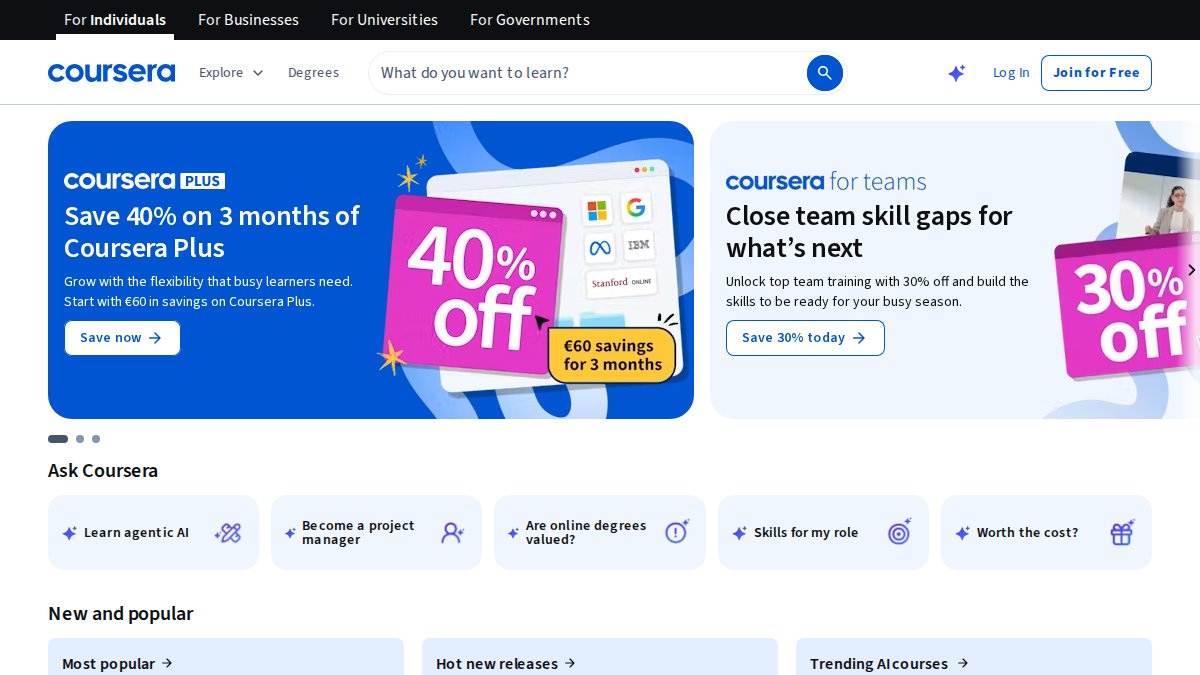
Coursera and edX partner with universities to offer courses on time management, leadership, and positive psychology. Both platforms offer free audit options where you can watch videos and read materials without paying.
Coursera courses range from four to twelve weeks with video lectures, quizzes, and peer forums. You can audit for free or pay for a certificate. edX offers similar courses with an emphasis on university partnerships. Both include courses on personal development topics like goal-setting and stress management.
The limitation: these platforms don't provide personalized feedback or accountability. But for people who learn well from structured content, it's cost-effective.
Udemy: Budget-Friendly On-Demand Courses
Udemy courses are created by independent instructors, making them hyper-specific and often very affordable. Personal development courses typically cost $10-$15 on sale. You get lifetime access to videos, downloadable resources, and sometimes community forums.
The advantage is affordability and specificity. The disadvantage is inconsistent quality and no accreditation. But for self-directed learners, Udemy is a legitimate way to learn specific skills cheaply.
Peer Support and Community-Based Alternatives
One of the most underrated alternatives to expensive coaching is peer support. Communities where people share experiences and encourage each other can be surprisingly effective. You're not getting expert guidance, but you're getting accountability, perspective, and connection.

7 Cups: Free Emotional Support and Affordable Therapy
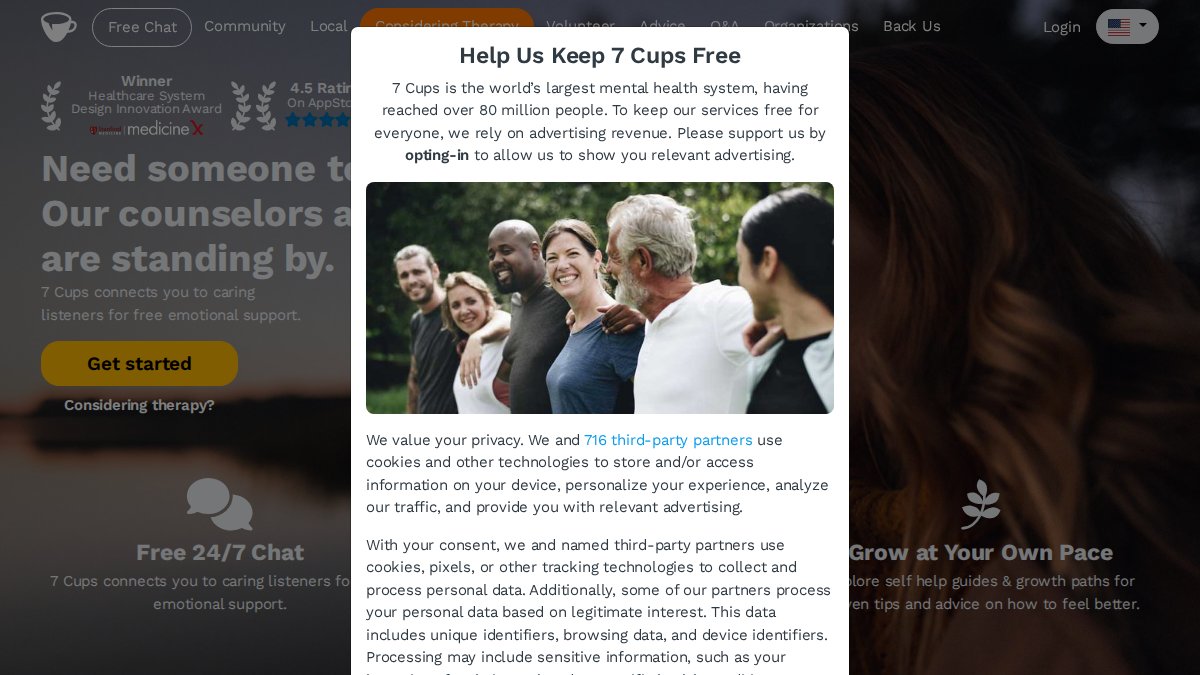
7 Cups offers free 24/7 emotional support from trained volunteer listeners. Chat with someone trained to listen without judgment.
For professional therapy, 7 Cups connects you with licensed therapists at lower rates than traditional therapy. The platform also offers self-help guides for anxiety, grief, or relationship issues.
Soul Perfect: Community-Driven Personal Growth
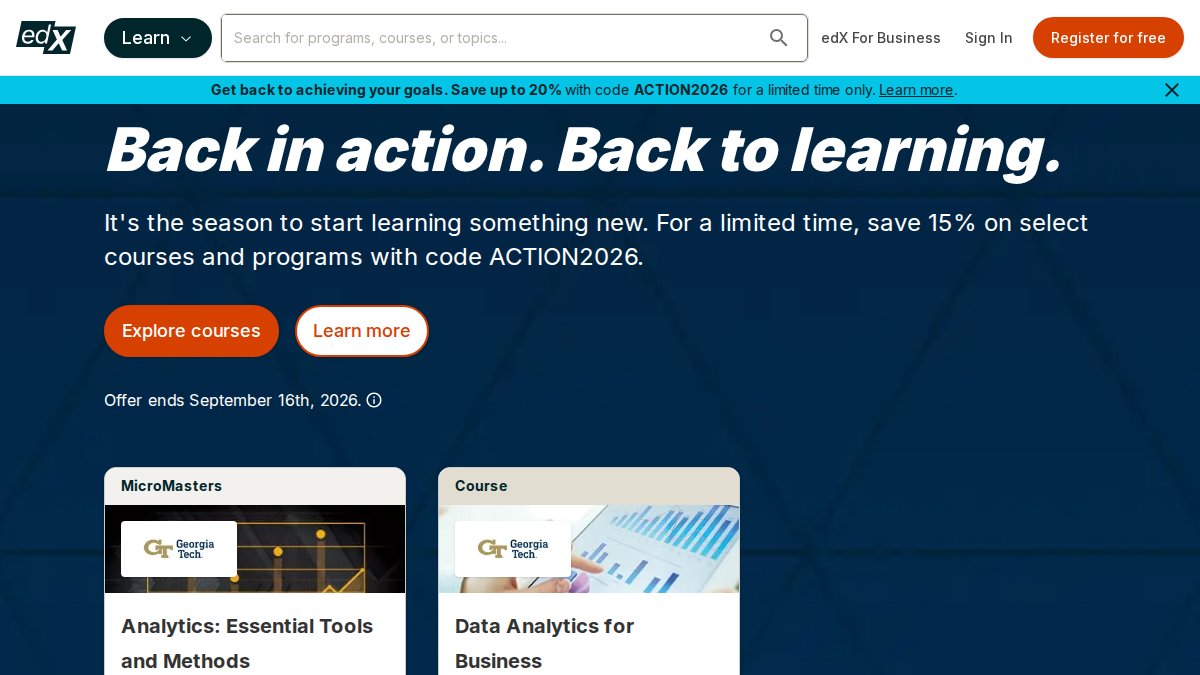
Soul Perfect is a positivity-driven community platform for people seeking personal growth through shared experiences and encouragement. Members share stories, access curated resources for intentional living, and connect through a marketplace of tools aligned with their growth journey.
For people who thrive in community and need encouragement more than expert guidance, this is valuable.
Comparison Table: Cost and Value Across Alternatives
| Alternative | Cost | Best For | Primary Benefit |
|---|---|---|---|
| Focusmate | Free (3 sessions/week); paid for unlimited | Procrastination, focus issues | Accountability through body doubling |
| Reflection App | Free (basic); paid for AI insights | Pattern recognition, self-awareness | AI-generated insights from your reflections |
| Five Minute Journal | Free (basic); paid for premium | Daily habit building, gratitude | Consistent positive psychology practice |
| Coursera | Free (audit); paid for certificates | Skill development, structured learning | University-level education on personal development |
| edX | Free (audit); paid for verified certificates | Academic personal development | High-quality university courses |
| Udemy | $10-$15 per course (on sale) | Specific skill learning | Affordable, hyper-specific courses |
| 7 Cups | Free (listener support); paid for therapy | Emotional processing, mental health support | Immediate, confidential emotional support |
| Soul Perfect | Varies | Community connection, intentional living | Ongoing community support and shared experiences |
The most expensive alternative to expensive life coaching is doing nothing while waiting to afford a coach. Apps, communities, structured learning, and self-coaching cost little to nothing and deliver real results when you use them.
Be honest about what you need. If you're struggling with clinical anxiety or depression, therapy is the right choice. If you need accountability and structure, Focusmate or a journaling app works. If you're building a specific skill, Coursera or Udemy makes sense. If you need community and encouragement, Soul Perfect provides ongoing support from people committed to growth.
Most people benefit from combining tools. Use a journaling app daily, join Soul Perfect for community, and take a Coursera course on a specific skill. That combination costs less than a single coaching session and addresses multiple needs.
Start with what's free. Try Focusmate's free tier, journal with Reflection, audit a Coursera course, or connect in a free community. You'll quickly learn what works for your brain, goals, and life.
Soul Perfect makes it easy to combine community support with curated resources for intentional living. Join Soul Perfect and connect with people who understand that meaningful personal growth happens through shared encouragement, not expensive one-on-one sessions.
=== FAQ ANSWERS (audit these too, same rules) ===
[1] Q: What are some effective alternatives to one-on-one life coaching? A: Effective alternatives include apps like Focusmate for accountability, journaling tools like Reflection App, online courses from Coursera and Udemy, peer support communities like Soul Perfect, and therapy platforms like 7 Cups or Talkspace. Self-coaching techniques, mentorship from peers, and structured goal-setting frameworks also provide meaningful personal growth without the cost of traditional coaching.
[2] Q: What are the key differences between life coaching vs therapy? A: Life coaching focuses on future goals, behavioral change, and personal development in specific areas like career or relationships. Therapy addresses mental health conditions, emotional trauma, and psychological patterns. Coaches help you move forward; therapists help you process past experiences. If you're managing anxiety or depression, therapy is more appropriate. For goal achievement and accountability, coaching or self-coaching techniques work well.
[3] Q: Can I really get results from self-coaching techniques for beginners? A: Yes. Self-coaching starts with clarity: define your goal, identify obstacles, and create an action plan. Use journaling to track progress and spot patterns. Set accountability checkpoints weekly. Apps like Focusmate provide external accountability at low cost. The key difference from professional coaching is you're responsible for asking the right questions and following through, but many people succeed with structure, commitment, and the right tools.
[4] Q: What's the cheapest way to get coaching-like support? A: Free and low-cost options include Focusmate's free tier (3 sessions per week), The Five Minute Journal's free version, 7 Cups' free listener chat, and audit tracks on Coursera and edX. Soul Perfect offers community-based support and resources. Peer accountability groups, online forums, and self-help books provide additional budget-friendly alternatives. Many people combine free tools with one paid app or course for comprehensive support.
Frequently Asked Questions
What are some effective alternatives to one-on-one life coaching?
Effective alternatives include apps like Focusmate for accountability, journaling tools like Reflection App, online courses from Coursera and Udemy, peer support communities like Soul Perfect, and therapy platforms like 7 Cups or Talkspace. Self-coaching techniques, mentorship from peers, and structured goal-setting frameworks also provide meaningful personal growth without the cost of traditional coaching.
What are the key differences between life coaching vs therapy?
Life coaching focuses on future goals, behavioral change, and personal development in specific areas like career or relationships. Therapy addresses mental health conditions, emotional trauma, and psychological patterns. Coaches help you move forward; therapists help you process past experiences. If you're managing anxiety or depression, therapy is more appropriate. For goal achievement and accountability, coaching or self-coaching techniques work well.
Can I really get results from self-coaching techniques for beginners?
Yes. Self-coaching starts with clarity: define your goal, identify obstacles, and create an action plan. Use journaling to track progress and spot patterns. Set accountability checkpoints weekly. Apps like Focusmate provide external accountability at low cost. The key difference from professional coaching is you're responsible for asking the right questions and following through, but many people succeed with structure, commitment, and the right tools.
What's the cheapest way to get coaching-like support?
Free and low-cost options include Focusmate's free tier (3 sessions per week), The Five Minute Journal's free version, 7 Cups' free listener chat, and audit tracks on Coursera and edX. Soul Perfect offers community-based support and resources. Peer accountability groups, online forums, and self-help books provide additional budget-friendly alternatives. Many people combine free tools with one paid app or course for comprehensive support.
This article was written using GrandRanker