 listicle
Best Tools for Tracking Personal Growth Progress in 2026
Table of Contents
- Quick Comparison: Top Tools for Tracking Personal Growth Progress
- How We Evaluated These Personal Growth Tracking Tools
- The Best Personal Development Journals for Self-Reflection
- Top Apps for Self-Improvement Tracking and Habit Building
- How to Measure Personal Growth: Metrics, KPIs, and Progress Visualization
- Benefits of Tracking Personal Development: Why Consistency Matters
- Specialized Tools: Mindfulness, Goal Setting, and Project Management
- Soul Perfect: Community-Driven Personal Growth and Intentional Living
Last Updated: July 26, 2026

Quick Comparison: Top Tools for Tracking Personal Growth Progress
Finding the right tools for tracking personal growth progress can transform how you measure self-improvement. Personal development requires consistently measuring what matters most to you, whether building new habits, tracking emotional milestones, or monitoring long-term behavior change.
The best tools fall into several categories: journaling apps for self-reflection, habit trackers for daily accountability, goal-setting platforms for structured progress, and mindfulness tools for inner development. Most people benefit from combining multiple tools rather than relying on a single solution.
| Tool | Best For | Starting Price | Free Tier | Standout Feature |
|---|---|---|---|---|
| Fabulous | Science-backed habit formation | $39.99/year | Yes, limited | Behavioral coaching series |
| Strides | Apple users tracking goals and habits | $4.99/month | Yes, 3 trackers | Four flexible tracker types |
| Habitica | Gamification and motivation | $4.99/month | Yes, full access | RPG-style progress system |
| Day One Journal | Privacy-focused digital journaling | $49.99/year | Yes, limited | End-to-end encryption |
| Journey.Cloud | Cross-platform reflection | Freemium | Yes, generous | Works on all devices |
| Coach.me | Community accountability | $25/week coaching | Yes, habit tracking | Professional coaches available |
| Headspace | Daily mindfulness practice | $12.99/month | No permanent free | Beginner-friendly meditation |
| Calm | Sleep and stress management | $16.99/month | Yes, limited | Extensive sleep story library |
| Asana | Complex goal projects | $10.99/user/month | Yes, unlimited tasks | Project-based organization |
How We Evaluated These Personal Growth Tracking Tools
We tested each platform based on three criteria: how well it captures meaningful data, whether it sustains user engagement over time, and whether insights actually inform behavior change. Most people abandon tracking tools within three weeks. Tools that survive share a common trait: they make tracking frictionless. A tool requiring five minutes of daily data entry loses users; one requiring thirty seconds gains them.
We weighted customization heavily, since personal growth isn't one-size-fits-all. The best platforms let you define success rather than forcing predefined categories. We also considered privacy and security, since tracking personal development often involves sensitive information.
The Best Personal Development Journals for Self-Reflection
Journaling forces clarity in ways thinking alone cannot. Writing confronts contradictions, reveals patterns, and surfaces insights invisible in your head. The best journals combine privacy, cross-device accessibility, and prompts that guide without constraining.
Day One Journal: Privacy-First Digital Journaling
Day One treats entries as genuinely private through end-to-end encryption, meaning even Day One's employees cannot read your journal. For tracking vulnerable aspects of personal growth, this matters profoundly.
The interface is clean and distraction-free. Daily prompts guide reflection without forcing direction. Rich media support lets you embed photos, audio, or video alongside text. Day One syncs seamlessly across iOS, Android, Mac, and web, critical since abandoning a single-device app is common.
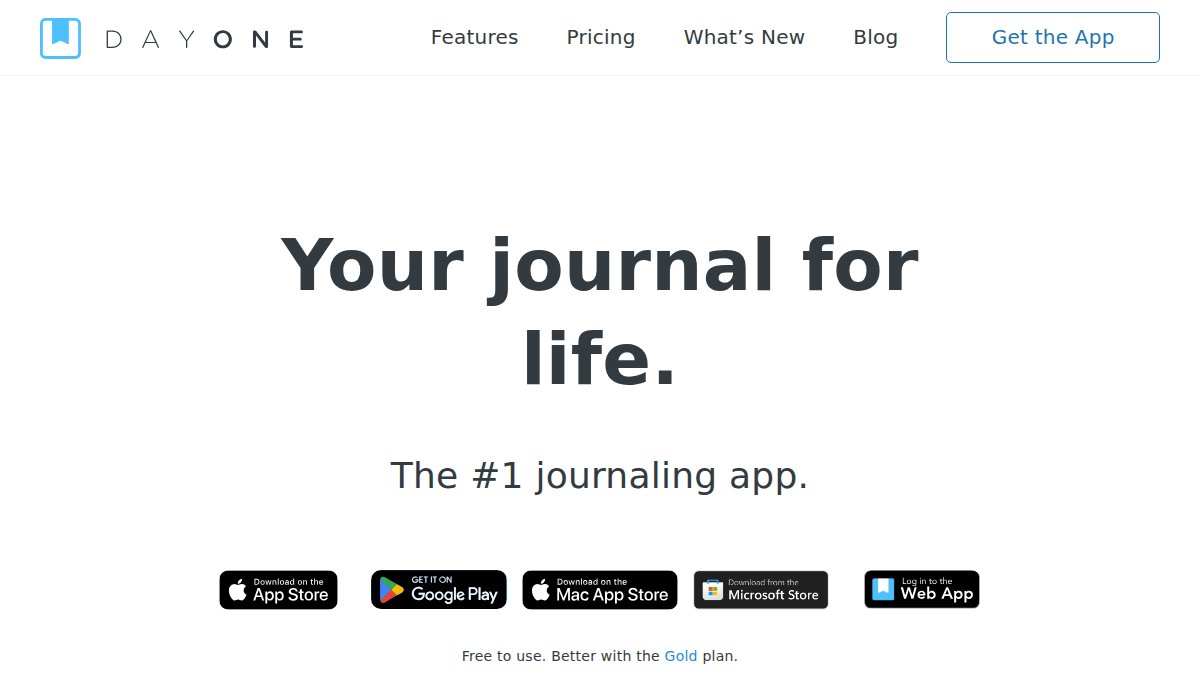
The free tier provides everything most users need. The $49.99/year premium unlocks unlimited media uploads and AI-powered features, worthwhile once journaling becomes daily habit.
Journey.Cloud: Cross-Platform Reflection and Gratitude
Journey emphasizes gratitude and mental clarity alongside traditional journaling. It works on Android, iOS, Mac, Windows, Web, and Chrome OS, an unusually comprehensive ecosystem. Daily prompts lean toward gratitude, which research shows increases life satisfaction more than many other interventions.
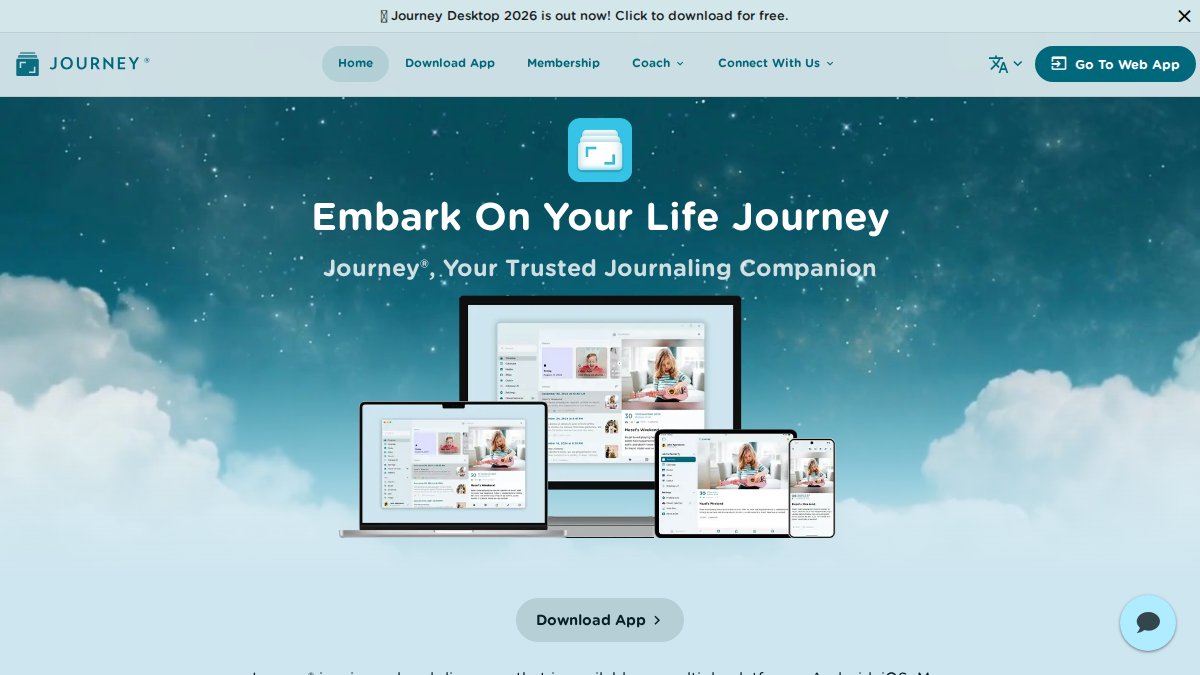
Journey's free tier is genuinely generous: unlimited entries, photos, videos, and audio recordings. The paid tier adds advanced search and backup options, but most find the free version sufficient.
Top Apps for Self-Improvement Tracking and Habit Building
Habits form personal growth's foundation. Reading one book changes nothing; reading one monthly for a year transforms knowledge. The difference is consistency over time. The best apps make consistency visible and rewarding while removing tracking friction.
Fabulous: Science-Backed Daily Habit Formation
Fabulous uses behavioral psychology rather than gamification. "Journeys" are structured coaching programs organized by topic: anxiety management, self-love, productivity, or better sleep. Each includes daily rituals grounded in research, not random behaviors.
What separates Fabulous is the coaching context. Every habit includes explanation of why it matters and how to implement it. The free tier offers limited features; $39.99/year unlocks all coaching journeys and advanced tracking.
Strides: Flexible Goal and Habit Tracking for Apple Users
Built specifically for Apple devices, Strides offers flexibility most habit trackers lack. Four tracker types, habits, targets, averages, and milestones, let you track almost anything meaningful to your growth.
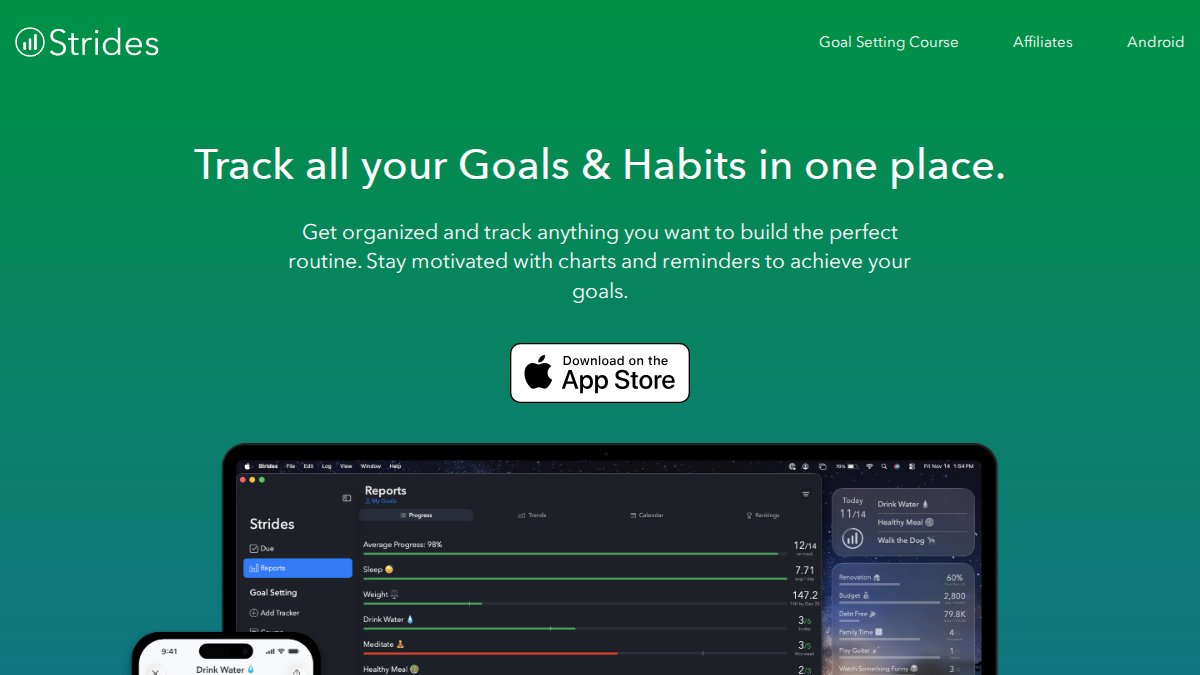
Detailed charts and progress reports create powerful motivation. The free tier caps you at three active trackers; $4.99/month premium removes this limit and adds cross-device syncing.
Habitica: Gamified Accountability for Habit Streaks
Habitica transforms your to-do list into a role-playing game. You create an avatar, earn experience points for completing real-life tasks, and unlock items as you progress. Gamification makes accountability tangible and rewarding in real-time, completing a habit immediately gives feedback.
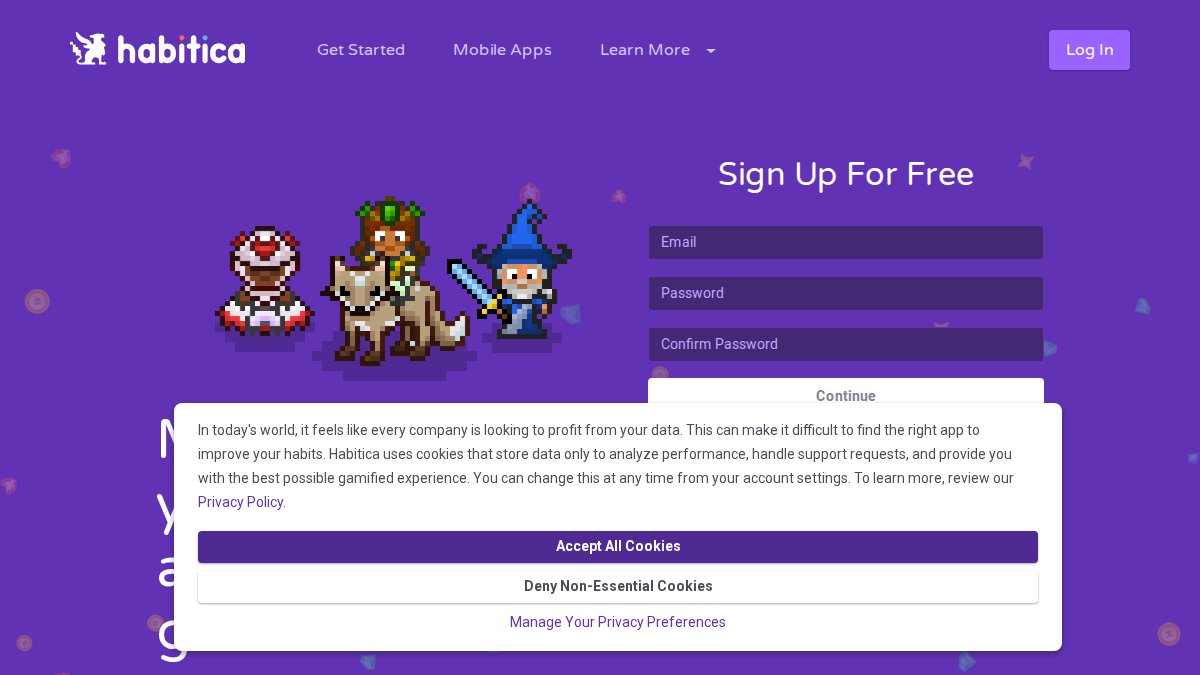
Community features let you join groups pursuing shared goals and participate in challenges. This social accountability strengthens commitment. The free version provides full core access; $4.99/month premium adds cosmetic items but isn't necessary for effective tracking.
Coach.me: Community Support and Professional Coaching
Coach.me blends habit tracking with community accountability and professional coaching. The tracker itself is straightforward, but its strength lies in connecting you with people pursuing similar goals and coaches providing personalized guidance.
You can log habits, track progress, and see streaks. Community groups let you join goal-specific spaces, ask questions, and celebrate wins. Professional coaching is available for $25/week per coach. The free tier includes habit tracking and community access, sufficient for most people.
How to Measure Personal Growth: Metrics, KPIs, and Progress Visualization
Measuring personal growth is harder than measuring business metrics. Revenue is objective; personal growth is subjective. Yet without measurement, you cannot distinguish genuine progress from the illusion of effort.
Effective metrics fall into three categories: behavioral (habits completed, days of consistency, books read), emotional (anxiety levels, happiness ratings, confidence), and outcome (weight lost, income increased, relationships improved). The best approach combines all three. Someone tracking only behavior might miss that anxiety hasn't decreased; one tracking only emotions might lose motivation without concrete behavioral proof.
Data visualization transforms raw numbers into insights. A 90-day habit streak is motivating. Watching anxiety scores trend downward confirms your strategy works.
Benefits of Tracking Personal Development: Why Consistency Matters
Tracking itself changes behavior through the "observer effect", measuring something changes the thing being measured. When you track a habit, you become more aware of it. Awareness creates responsibility; responsibility drives consistency.
Consistency compounds. One meditation day doesn't change your brain. Thirty days creates measurable changes in the amygdala, governing emotional regulation. Six months creates new neural pathways. Benefits aren't linear; they're exponential.
Tracking reveals patterns invisible to intuition. You might think you're eating healthily but discover through tracking you're exceeding calorie targets. Data corrects distortions that memory creates.
Tracking also creates accountability without judgment. A habit tracker doesn't shame you for missing a day; it simply records the fact. This non-judgmental feedback prevents the shame-avoidance spiral that derails progress.
Specialized Tools: Mindfulness, Goal Setting, and Project Management
Personal growth encompasses more than habits and journaling. It includes developing mindfulness, setting meaningful goals, and organizing complex objectives.
Headspace and Calm: Mindfulness for Daily Growth
Mindfulness practice is foundational to personal growth, increasing emotional regulation and creating space between stimulus and response. Headspace offers guided meditations for specific purposes: anxiety, focus, sleep, relationships. The app structures meditation as courses, making it accessible for beginners.

Headspace requires $12.99/month subscription with a 7-14 day free trial. Most content is locked behind the paywall. The paid tier is worthwhile if meditation becomes part of your daily practice.
Calm emphasizes sleep and relaxation alongside meditation, including over 100 "Sleep Stories" and masterclasses on resilience and personal growth.
Calm's free tier is limited; most content requires $16.99/month subscription. For people struggling with sleep or chronic stress, the sleep-focused content often justifies the cost.
Asana: Project-Based Goal Tracking for Complex Objectives
Asana is primarily a project management tool but works surprisingly well for tracking complex personal goals. Create a project for each major goal, break it into tasks, set deadlines, and visualize progress through timelines or boards.
Asana's free tier includes unlimited tasks and projects. The $10.99/user/month premium adds timeline views and custom fields. For simple goal tracking, the free version suffices; for complex multi-step objectives, premium visualization tools are valuable.
Soul Perfect: Community-Driven Personal Growth and Intentional Living
Soul Perfect offers a fundamentally different approach centered on community, shared stories, and intentional living rather than solitary tracking. While tools above focus on measuring individual progress, Soul Perfect emphasizes connection's transformative power.
The platform provides encouragement and resources for intentional living alongside a community committed to meaningful personal development. Members share stories, creating space where vulnerability becomes strength. This addresses a critical gap metrics-focused tracking cannot fill: the human need for belonging.
Soul Perfect's integrated marketplace connects members with resources, coaching, and tools supporting their growth journey. The platform works best combined with individual tracking tools. Use Fabulous or Habitica for daily habits, Day One for journaling, then bring insights to Soul Perfect's community to deepen understanding.
Which Tool Should You Choose? A Decision Framework
Choosing depends on your personal growth priorities and motivation style. Different people succeed with different systems.
If motivated by structure and science, Fabulous provides guidance making habits stick. If motivated by gamification, Habitica creates engagement other trackers cannot match. If motivated by community, Coach.me and Soul Perfect address accountability and connection solitary tracking misses.
Consider your device ecosystem. Exclusively on Apple? Strides offers flexibility cross-platform tools cannot. Using multiple devices? Journey or Day One ensure tracking from anywhere.
Think about what you're tracking. Building daily habits? Use Habitica or Strides. Processing emotions and insights? Use Day One or Journey. Managing complex goals? Use Asana. Developing mindfulness? Use Headspace or Calm.
Most people benefit from combining tools. A typical stack: a habit tracker (Habitica), a journal (Day One), and a mindfulness app (Headspace). This addresses behavioral change, emotional processing, and inner development, personal growth's three pillars.

The mistake most make is choosing one tool and expecting it to address all growth dimensions. Personal growth is multifaceted and requires multiple approaches working together.
Start with one tool addressing your most pressing priority. After two weeks of consistent use, add a second tool addressing another dimension. This gradual approach prevents overwhelm and helps identify what actually works rather than what sounds good in theory.
Personal growth tracking transforms abstract aspirations into concrete progress. The best tools make measurement frictionless, provide feedback reinforcing effort, and create accountability without judgment. Yet the tool itself matters less than the consistency it enables.
Soul Perfect enhances individual tracking by adding community dimension. Get started with Soul Perfect and connect with others committed to intentional living, access curated resources for personal development, and transform isolated progress into shared growth. Join a community where your growth journey matters and where others' stories inspire your own transformation.
Frequently Asked Questions
What is the best way to track personal growth?
The best way depends on your personality and goals. Digital tools like habit trackers (Strides, Habitica) work well for measurable milestones and streaks. Journaling apps (Day One, Journey) suit those who prefer self-reflection and narrative progress. Combining multiple tools, such as a habit tracker plus a journal, often yields the strongest results because they address different aspects of personal development: behavioral consistency and emotional insight.
How do you measure personal development progress effectively?
Measure progress using multiple metrics: habit streaks (daily consistency), quantifiable KPIs (e.g., books read, meditation minutes), milestone achievements, and qualitative reflection (journaling insights). Tools like Strides offer visual charts and progress reports. The key is tracking both behavioral metrics (what you do) and self-awareness metrics (what you learn). Review your data monthly to identify patterns and adjust goals, this closes the feedback loop that drives lasting behavior change.
Are personal growth tracking apps actually effective?
Yes, when used consistently. Research on habit formation shows that tracking itself increases accountability and awareness, which reinforces behavior change. Apps like Fabulous use behavioral science principles to make habit formation stick. However, effectiveness depends on your commitment: an app is a tool, not a substitute for action. Users who engage daily and review their progress regularly see measurable improvements in consistency, goal attainment, and personal development outcomes.
What are the benefits of tracking personal development?
Tracking personal development builds self-awareness, increases accountability, and provides tangible proof of progress, which motivates continued effort. It reveals patterns (what habits stick, what triggers derail you), helps you celebrate milestones, and creates a historical record of your growth journey. Journaling combined with habit tracking offers both behavioral data and emotional insight. Over time, this dual approach strengthens your understanding of yourself and accelerates meaningful behavior change.
How do I choose between a free and paid personal growth tracking tool?
Evaluate your needs: free tiers (Habitica, Strides, Day One) offer solid core features suitable for most users. Paid plans typically add advanced analytics, unlimited entries, and premium coaching or content. Consider ROI: if a $4.99/month app prevents you from abandoning your goals, it pays for itself. Also assess data privacy, paid apps like Day One emphasize encryption and security. Start free, then upgrade if you find yourself wanting deeper features or accountability.
This article was written using GrandRanker