 listicle
Community Support Alternatives to Action for Happiness
Table of Contents
- Why Seek Community Support Alternatives to Action for Happiness?
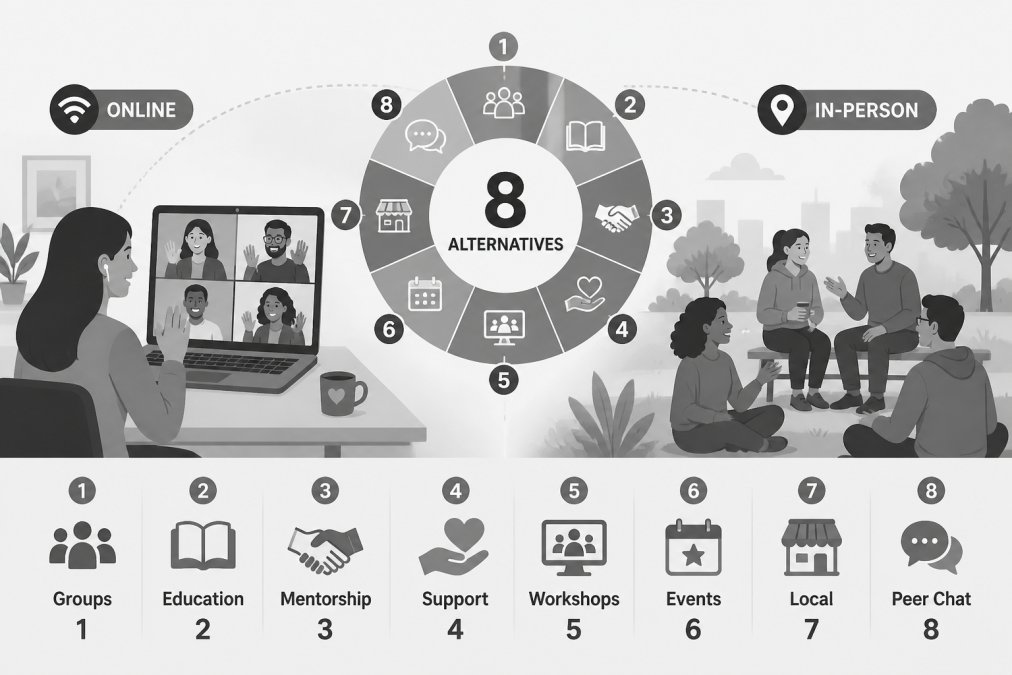
- Quick Comparison: 8 Community Support Alternatives
- How We Evaluated These Community Support Alternatives
- 1. HeyPeers: Free Peer Support Groups for Mental Well-being
- 2. Togetherall: 24/7 Anonymous Community for Mental Health Support
- 3. NAMI Connection: Peer-Led Support for Adults with Mental Illness
- 4. Meetup: Building Local Groups and Community Meetups for Connection
- 5. Nextdoor: Hyper-Local Neighborhood Well-being and Support
Community Support Alternatives to Action for Happiness
Last Updated: August 1, 2026
Many individuals seeking personal growth and community connection wonder whether there are viable alternatives to well-known platforms. The action for happiness alternative for community support landscape has expanded significantly, offering diverse options tailored to different needs and preferences. At Soul Perfect, we recognize that finding the right community support structure is deeply personal, what works for one person may not resonate with another. This guide explores eight community support alternatives that foster meaningful connections, encourage well-being, and provide daily inspiration without relying on a single organization.
Whether you're drawn to peer-led mental health groups, neighborhood connections, or structured community platforms, understanding your options helps you choose an approach aligned with your values and lifestyle.
Why Seek Community Support Alternatives to Action for Happiness?
The reasons someone might explore an action for happiness alternative for community support are varied and legitimate. Some people find that existing platforms don't address their specific mental health concerns. Others prefer anonymity, local in-person connection, or a different philosophical approach to well-being. A few discover that the structure or pace of a particular community doesn't match their schedule or learning style.
Research from NAMI on peer support communities shows that individuals benefit most when they find communities aligned with their specific challenges and communication preferences. Some are skeptical of one-size-fits-all movements and prefer grassroots, locally-driven approaches. Others need specialized support for anxiety, grief, addiction, or family dynamics that general happiness platforms may not adequately address.
Quick Comparison: 8 Community Support Alternatives
| Alternative | Format | Cost | Best For | Key Strength |
|---|---|---|---|---|
| HeyPeers | Online peer groups | Free to join, some paid options | Mental health topics, anonymity | 1,000+ free groups monthly |
| Togetherall | 24/7 anonymous community | Free via organizations | Loneliness, stress, worry | Always-available support |
| NAMI Connection | Peer-led in-person/online | Free | Adults with mental illness | Lived experience facilitators |
| Meetup | Local interest groups | Free to join, organizer fees apply | Building local connections | Diverse group options |
| Nextdoor | Neighborhood network | Free | Hyper-local support | Verified neighbors |
| The Tribe | Online peer groups | Free | Addiction, anxiety, family dynamics | Specialized topics |
| ADAA Communities | Anonymous peer support | Free | Anxiety, depression, PTSD | Expert-backed resources |
| Soul Perfect | Community platform | Pricing depends on quantity, dates, and delivery | Intentional living, shared stories | Marketplace + curated resources |
How We Evaluated These Community Support Alternatives
Selecting the right action for happiness alternative for community support requires understanding what makes each option distinct. We evaluated these platforms across several key dimensions.
Accessibility and Cost: All options reviewed here offer free or low-cost entry points, recognizing that financial barriers shouldn't prevent someone from accessing community support.
Moderation and Safety: We examined whether communities are professionally moderated, peer-facilitated, or self-managed. Professional moderation tends to reduce toxic behavior and create safer spaces for vulnerable sharing.
Specificity of Support: Some alternatives focus on general well-being, while others specialize in particular challenges like anxiety, grief, or addiction. Specialized communities often provide deeper, more relevant support.
Connection Type: We considered whether each platform emphasizes online anonymity, local in-person meetups, or hybrid approaches. Your preference for anonymity versus face-to-face connection significantly influences which alternative will feel most comfortable.
Community Size and Activity: Larger communities offer more group options and likelihood of finding your specific niche.
1. HeyPeers: Free Peer Support Groups for Mental Well-being
HeyPeers operates over 1,000 free support groups each month, covering addiction, anxiety, depression, grief, PTSD, and numerous other mental health topics. Each group is facilitated by trained or certified peer specialists, individuals with lived experience who've completed formal training in peer support.
The platform appeals to people who value anonymity and structured peer facilitation without professional clinical oversight. Groups typically run 60-90 minutes with 5-20 participants, creating an intimate setting where people feel heard.
How to Get Started:
- Visit heypeers.com and browse available groups by topic and time
- Register with an email address (no payment required)
- Receive Zoom link via email before the group starts
- Join anonymously using a username rather than your real name
- Attend as many groups as you'd like each week
What Makes It Distinct: The sheer volume of groups means you're likely to find multiple options matching your schedule and specific concern. The peer facilitator model creates a sense of "they truly understand" because facilitators have walked similar paths.
2. Togetherall: 24/7 Anonymous Community for Mental Health Support
Togetherall operates as a round-the-clock anonymous community where individuals can share experiences, ask questions, and receive support from peers and trained mental health professionals. Available at any hour, it serves people experiencing loneliness, stress, worry, or feeling disconnected.
The platform combines peer support with moderation by qualified mental health professionals, creating a hybrid model that balances authentic peer connection with professional oversight. Members can post messages, join discussions, or simply read others' stories without contributing.
How to Get Started:
- Go to togetherall.com and sign up with an email
- Create an anonymous username (no identifying information needed)
- Explore discussion forums and read existing conversations
- Post your own message or reply to others when ready
- Access practical well-being tools like mood trackers and coping strategies
What Makes It Distinct: The 24/7 availability addresses a real gap, mental health crises don't follow business hours. The professional moderation ensures conversations stay constructive and safe.
3. NAMI Connection: Peer-Led Support for Adults with Mental Illness
NAMI Connection is a structured, peer-led alternative specifically designed for adults living with mental illness. Groups meet weekly (typically in-person or online, depending on location) and focus on sharing lived experiences, learning from others' journeys, and building belonging.
What distinguishes NAMI Connection is its explicit focus on people managing diagnosed mental illness, serious mental health conditions like bipolar disorder, schizophrenia, depression, and anxiety disorders. This specificity creates groups where conversations address medication management, hospitalization experiences, and navigating the mental health system.
How to Get Started:
- Visit nami.org/Support-Education/Support-Groups/NAMI-Connection
- Use the locator tool to find groups in your area or online options
- Attend a group meeting (no registration usually required)
- Participate at your own comfort level, sharing is optional
- Return as regularly as you need
What Makes It Distinct: The lived-experience focus and structured format appeal to people wanting deeper conversations about managing serious mental illness. The free, accessible model removes barriers.
4. Meetup: Building Local Groups and Community Meetups for Connection
Meetup functions as a platform for discovering and joining local groups based on shared interests, including well-being, mental health, personal growth, and community support. Its strength lies in breadth: you'll find hiking groups, book clubs, meditation circles, grief support meetups, anxiety management workshops, and countless other communities within your geographic area.
The platform helps individuals create their own groups, meaning quality and activity vary by location and organizer. In urban areas, you'll find dozens of well-being-focused groups. In rural areas, options may be limited, though you can start your own.
How to Get Started:
- Visit meetup.com and create a free account
- Search for groups using keywords like "mental health," "well-being," "grief," or "anxiety" + your location
- Browse upcoming events and group descriptions
- RSVP to events that appeal to you
- Attend and connect with others in person
What Makes It Distinct: Meetup enables hyper-local, in-person connection that many people crave. The diversity of group types means you can find niche communities. The freemium model keeps participation accessible.
5. Nextdoor: Hyper-Local Neighborhood Well-being and Support
Nextdoor operates as a private social network connecting verified neighbors within a specific geographic area. While not explicitly marketed as a mental health platform, Nextdoor facilitates the kind of local social connection and mutual aid that research shows significantly impacts well-being and resilience.
Neighbors use Nextdoor to share recommendations for local therapists and wellness practitioners, organize walking groups, coordinate meal trains for people going through difficult times, and build the social trust that forms the foundation of community resilience.
How to Get Started:
- Visit nextdoor.com and verify your address
- Create a profile using your real name (verification required)
- Browse posts from your neighborhood
- Introduce yourself and engage in conversations
- Post requests for recommendations or organize local activities
What Makes It Distinct: The verified-neighbor model creates accountability and reduces anonymity-fueled toxicity. The hyper-local focus means connections can extend beyond online into real-world support.
6. The Tribe Wellness Community: Specialized Peer Support Online
The Tribe Wellness Community offers free, online peer support groups addressing specific mental health challenges and difficult family dynamics. Groups focus on addiction, anxiety, depression, LGBTQ+ issues, family estrangement, and other specialized topics where people benefit from connecting with others facing identical circumstances.
Groups meet virtually at scheduled times, facilitated by trained peers, with consistent membership creating ongoing relationships. Unlike some platforms emphasizing anonymity, The Tribe encourages members to use real names (though not required), fostering genuine community.
How to Get Started:
- Go to thetribe.org and explore available groups
- Choose a group matching your specific challenge
- Join the group (free registration)
- Attend meetings at scheduled times
- Engage with the same group members over weeks and months
What Makes It Distinct: The specialization means you're not sitting in a general "mental health" group where conversations scatter across numerous topics. The consistent membership across weeks creates deeper relationships.
7. ADAA Online Support Communities: Expert-Backed Peer Support
The Anxiety & Depression Association of America (ADAA) operates four free, anonymous, moderated peer-to-peer support communities for individuals, families, and caregivers affected by anxiety, depression, PTSD, and trauma. Communities are moderated by trained mental health professionals, ensuring conversations remain constructive and evidence-based.
What distinguishes ADAA communities is the backing of a reputable, research-focused organization. Alongside peer support, members access expert-written articles, self-help tools, and practical coping strategies grounded in cognitive-behavioral therapy and other evidence-based approaches.
How to Get Started:
- Visit adaa.org/get-help/peer-support-communities
- Choose the community matching your primary concern (anxiety, depression, PTSD, or general)
- Register anonymously with an email and username
- Browse existing discussions or start a new thread
- Participate as actively or quietly as you prefer
What Makes It Distinct: The professional moderation and organization backing create confidence in safety and quality. The integration of peer support with expert resources means you're learning evidence-based coping strategies alongside peer connection.
8. Soul Perfect: Positivity-Driven Community Platform for Intentional Living
Soul Perfect is a positivity-driven community platform dedicated to fostering encouragement and intentional living. We provide a space for members to share personal stories, access curated resources, and connect through our marketplace. Our mission is to support your journey toward a more meaningful life by offering a supportive environment for growth and inspiration.
The platform appeals to individuals seeking community around personal growth, meaningful life changes, and positive psychology. Members share stories of transformation, access carefully curated resources, and discover products and services aligned with their values.
How to Get Started:
- Visit soul-perfect.com and explore the community
- Create an account to access member features
- Browse shared stories and curated resources
- Consider contributing your own story when ready
- Explore the marketplace for products and services supporting your journey
What Makes It Distinct: The focus on positive psychology and intentional living creates a different emotional tone than crisis-focused support communities. The integrated marketplace means you can discover products and services aligned with your values.
Making Your Choice: Matching Alternatives to Your Needs
Selecting an action for happiness alternative for community support depends on several personal factors. Consider whether you prioritize anonymity or real-world connection. Some people need professional moderation; others prefer peer-facilitation. Your specific challenge, whether general well-being, diagnosed mental illness, grief, anxiety, or major life transition, narrows the field considerably.
Consider also your schedule and access preferences. Do you need 24/7 availability, or do scheduled weekly meetings work better? Are you in an urban area with numerous local options, or do you rely on online communities?
Many people benefit from combining approaches. You might attend a weekly in-person NAMI Connection group while also participating in HeyPeers groups targeting specific challenges and checking in with Togetherall during difficult moments. The landscape of community support alternatives is rich enough to support a personalized, layered approach.
Frequently Asked Questions
What makes community support alternatives different from Action for Happiness?
Community support alternatives vary in structure, focus, and delivery. While Action for Happiness emphasizes a global movement with daily happiness actions, alternatives like HeyPeers and Togetherall offer anonymous peer support for specific mental health challenges. Meetup enables hyper-local in-person connections, and NAMI Connection provides peer-led groups for adults with lived experience of mental illness. Some platforms are free and peer-moderated, others offer professional oversight. The key difference is that alternatives often specialize in targeted support, whether for anxiety, grief, local community building, or volunteer-driven social connection, rather than a broad happiness framework.
Are there free community well-being programs available as alternatives?
Yes, many free alternatives exist. HeyPeers offers over 1,000 free peer support groups monthly led by certified specialists. Togetherall provides 24/7 free anonymous support moderated by mental health professionals. NAMI Connection, The Tribe Wellness Community, and ADAA Online Communities all offer free peer support. Meetup and Nextdoor are free to join. These platforms prioritize accessibility and reduce barriers to community connection and well-being support. While some offer premium features or require organizers to pay subscription fees, individual members can participate at no cost.
How can I find or start local groups and community meetups for social connection?
Meetup is the largest platform for discovering local groups, search by interest, location, and activity type. Nextdoor connects you with verified neighbors for community events and mutual aid. To start your own group independently, identify your focus (mental health support, wellness, personal growth), choose a platform (Meetup, Facebook Groups, or Nextdoor), set a regular meeting schedule, and promote through local networks. Start small with clear meeting guidelines, a welcoming tone, and consistent communication. Volunteer management platforms like Golden can help if you're organizing larger community initiatives with multiple volunteers.
What should I look for when choosing a community support alternative?
Evaluate based on: anonymity preferences (some platforms prioritize anonymity; others emphasize real-world connection), professional moderation versus peer-led facilitation, specific focus (mental health, local connection, volunteering), cost (free versus paid), meeting format (online 24/7, scheduled groups, or in-person), and community size. Consider whether you prefer structured support groups, casual social connection, or volunteer-driven community projects. Test a few platforms, most are free to join, to find the fit that matches your needs for belonging, social ties, and meaningful engagement.
Can I use multiple community support platforms at the same time?
Absolutely. Many people benefit from combining platforms, for example, joining a specialized peer support group like HeyPeers for mental health challenges, using Meetup for local in-person connection, and volunteering through a community organization for social impact. This multi-platform approach allows you to access different types of support: anonymous peer sharing, local community building, and purposeful volunteering. Start with one that addresses your immediate need, then expand as you find additional communities that align with your well-being and connection goals.
Finding the right community support structure transforms well-being from an individual pursuit into a collective journey. Soul Perfect offers a positivity-driven platform where you can share personal stories, access curated resources for intentional living, and connect with others committed to meaningful life changes through an integrated marketplace. Whether you choose Soul Perfect or explore other community support alternatives, the key is taking action toward connection today.
This article was written using GrandRanker