 ultimate-guide
Daily Mindfulness for Beginners: A 2026 Guide
Table of Contents
- What Is Mindfulness and Why It Matters for Beginners
- How Long to Practice Mindfulness Daily for Real Results
- Essential Mindfulness Exercises for Stress Relief
- Mindfulness Meditation Scripts for Beginners
- Best Mindfulness Apps for Beginners
- Overcoming Common Barriers to Daily Practice
- Creating Your Daily Mindfulness Routine
- Conclusion
Last Updated: August 10, 2026
What Is Mindfulness and Why It Matters for Beginners
Mindfulness is the practice of paying deliberate, non-judgmental attention to the present moment. It's not about achieving a blank mind, it's about noticing what's happening right now: your breath, bodily sensations, sounds around you, without trying to change or judge any of it.
Mindfulness differs from meditation. Meditation is a structured practice done sitting still for a set period. Mindfulness is a quality of awareness you can bring to any activity, walking, eating, washing dishes. At Soul Perfect, we emphasize that mindfulness is less about perfection and more about presence. You don't need a special room, cushion, or hours of free time, only the willingness to pay attention.
Understanding Present Moment Awareness
Most of us spend our days lost in thought, replaying conversations or worrying about the future. When your attention is scattered across past and future, you miss the texture of your actual life. Present moment awareness interrupts this pattern by anchoring your attention to what's real and immediate, the physical sensation of your feet on the ground, the taste of water, the feeling of breath moving in and out of your body.
The Difference Between Mindfulness and Meditation
Meditation is a formal practice with structure, a beginning, and an end. You set aside time, find a quiet space, and follow a specific technique, usually focusing on your breath or a guided prompt.
Mindfulness is a way of paying attention you can bring to any moment, walking to your car, you notice the ground beneath your feet; drinking coffee, you taste the bitterness and warmth; listening to someone speak, you hear their words without planning your response. Think of meditation as the training ground for mindfulness. When you meditate regularly, you strengthen your ability to notice and redirect your attention. That skill then transfers to daily life.
How Long to Practice Mindfulness Daily for Real Results
Consistency matters more than duration. A 5-minute practice every single day will deliver better results than a 30-minute practice once a week. Your brain adapts through regular, repeated exposure, not occasional intensive effort.
Starting Small: The 5-Minute Foundation
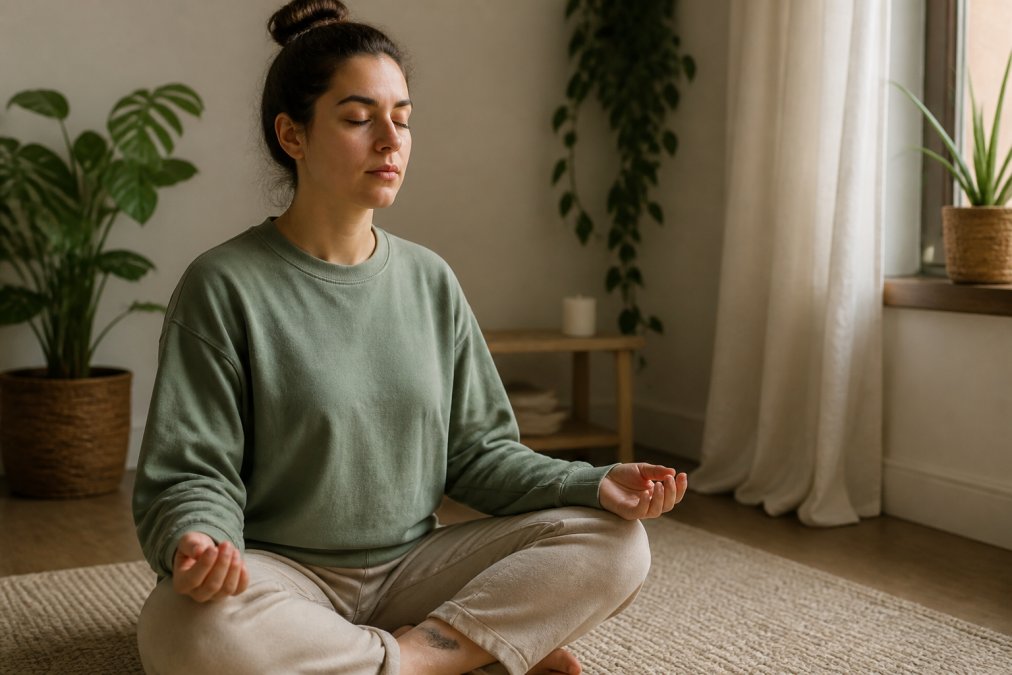
Five minutes is enough to establish a meaningful practice and begin experiencing benefits. Find a quiet spot and sit comfortably. Close your eyes or soften your gaze. For the first minute, simply notice your natural breath without trying to change it. For the next three minutes, gently guide your attention back to your breath whenever your mind wanders, that's normal and the practice itself. In the final minute, gradually expand your awareness to include sounds, sensations, and the space around you before opening your eyes. Once the habit is established, usually within two to three weeks, extending to 10 or 15 minutes feels natural.
Building Consistency Over Duration
Your brain rewards repetition, not sporadic effort. When you practice mindfulness for five minutes every day, you're creating neural pathways. After about three weeks of daily practice, showing up becomes automatic. Anchor your practice to an existing habit: meditate right after your morning coffee, practice mindfulness while your lunch heats up, or spend five minutes in conscious breathing before bed. The ideal duration is the one you'll actually maintain. A 10-minute practice you skip half the time is less valuable than a 5-minute practice you never miss.
Essential Mindfulness Exercises for Stress Relief
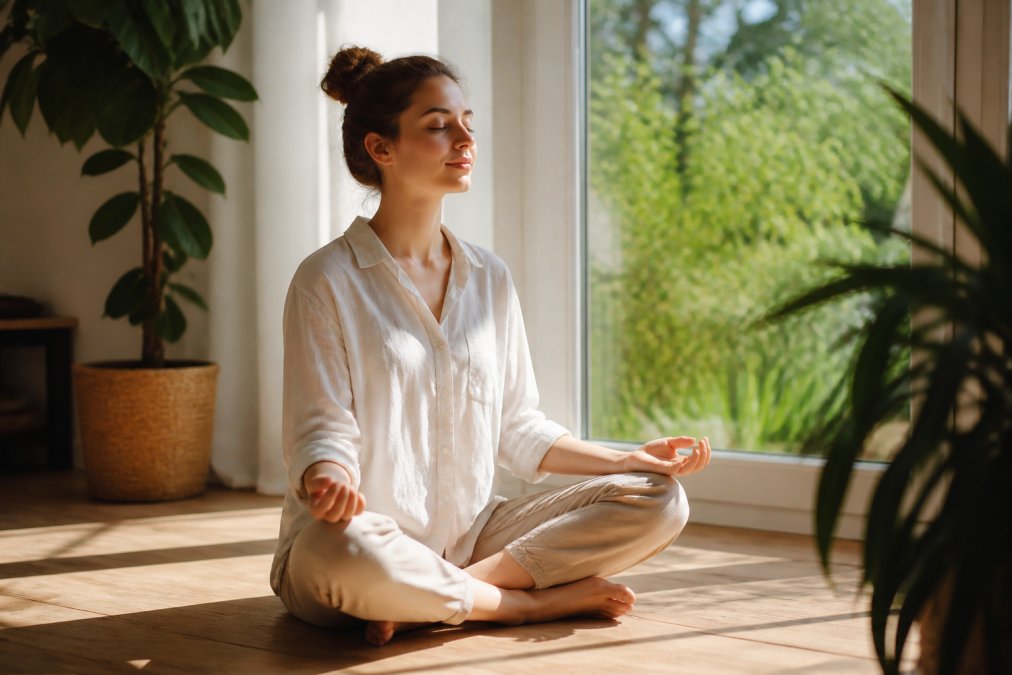
Different techniques work for different people. The key is finding what resonates with you and returning to it consistently.
Deep Breathing and Grounding Techniques
Your breath is always with you and requires nothing else to begin. Box breathing is a common grounding technique: breathe in for a count of four, hold for four, exhale for four, hold for four, and repeat for two to three minutes. This pattern activates your parasympathetic nervous system, triggering relaxation. Another effective technique is 4-7-8 breathing: inhale for four counts, hold for seven, exhale for eight. The extended exhale signals safety to your nervous system. Feel the breath rather than counting mechanically, notice the cool air entering your nostrils, your belly expanding, the warmth of the exhale.
Body Scan Meditation for Tension Release
A body scan is a guided journey through your physical form. Start at the top of your head and systematically bring awareness to different parts of your body, noticing sensation without judgment. Move through your forehead, eyes, nose, mouth, neck, shoulders, arms, hands, chest, belly, back, hips, legs, and feet. The entire process typically takes 10 to 15 minutes. The purpose is to develop sensory awareness and discover where you habitually hold tension.
Walking Meditation in Daily Routines
Walking meditation brings mindfulness into motion. As you walk, feel each foot contact the ground, notice the shift of weight from one leg to the other, and sense the movement of your arms. If your mind wanders, gently return your attention to the physical sensations of walking. You can do this at a normal pace; the speed doesn't matter, only the attention. Walking meditation integrates mindfulness into activities you're already doing.
Mindfulness Meditation Scripts for Beginners
Scripts provide structure and give your mind something to follow, which is especially helpful when you're starting out.
A 5-Minute Guided Script to Start Your Day
Find a comfortable seated position with your spine relatively upright but not rigid. Let your hands rest naturally on your lap or knees. Close your eyes or soften your gaze downward. Take three deep breaths: in slowly through your nose, out through your mouth. Now let your breathing return to normal and simply observe it. If your mind wanders, that's perfect, noticing the wandering is the practice. Gently bring your attention back to your breath. There's nothing to achieve. You're simply here, breathing, present. When five minutes have passed, take one conscious breath, wiggle your fingers and toes, and slowly open your eyes.
Evening Script for Mental Clarity and Relaxation
Find your comfortable seated or lying position and notice where your body makes contact with the surface beneath you. Bring your attention to your breath, observing it without changing it. Let each exhale be a release, you're setting down the day, the conversations, the tasks, the worries. Do a body scan, starting at the crown of your head and moving slowly down through your face, neck, shoulders, arms, torso, hips, legs, and feet. As you notice each area, consciously relax it. Spend the last minute simply being with no technique or focus, just presence.
Best Mindfulness Apps for Beginners
Technology can support your practice, though it's not required. Free apps often include basic guided meditations and breathing exercises, sufficient for beginners exploring whether a regular practice works for them. Paid apps typically offer more extensive libraries, specialized programs, and offline access. The most useful feature in any app is variety so you can find teachers and styles that resonate with you. Audio quality matters, poor sound or a voice that grates on you will make it harder to practice consistently. Consider what you're looking for: stress reduction, sleep improvement, general mindfulness, or building a meditation habit. The best app is the one you'll actually use.
Overcoming Common Barriers to Daily Practice
Most people who stop practicing mindfulness don't do so because the technique doesn't work. They stop because they hit a barrier and don't know how to move through it.
Managing Distractions and Restless Thoughts
The most common misconception about mindfulness is that you're supposed to achieve a blank mind. You're not. Your mind will produce thoughts, that's what minds do. The practice is noticing the thoughts without getting caught in them. When your attention wanders, which it will, you haven't failed. The moment you notice the wandering, you've succeeded. You gently redirect your attention back to your breath or your chosen focal point. Restless thoughts are particularly common when you're stressed or anxious. The practice is to observe the restlessness without judgment and keep returning to your anchor.
Building Habit Formation Through Intentional Living
A habit becomes automatic through repetition in consistent conditions. Anchor your practice to a specific time and place. The first three weeks are the hardest. Your brain hasn't yet recognized this as a normal part of your routine. After three weeks, it becomes easier. After six weeks, it feels natural. After three months, skipping feels wrong.
Mindfulness for Neurodivergent Individuals
Neurodivergent people often struggle with traditional mindfulness instruction. If you have ADHD, pure breath focus might not work, try movement-based practices like walking meditation or gentle yoga combined with mindfulness. If you're autistic, sensory aspects matter significantly. Neurodivergent practitioners often benefit from shorter sessions and more variety. The key insight: there's no single "correct" way to practice mindfulness. The method that works is the one that actually fits your neurology and lifestyle.
Creating Your Daily Mindfulness Routine
A sustainable practice requires a routine that removes the friction of decision-making and makes consistency easier.
Setting Aside Time and Space
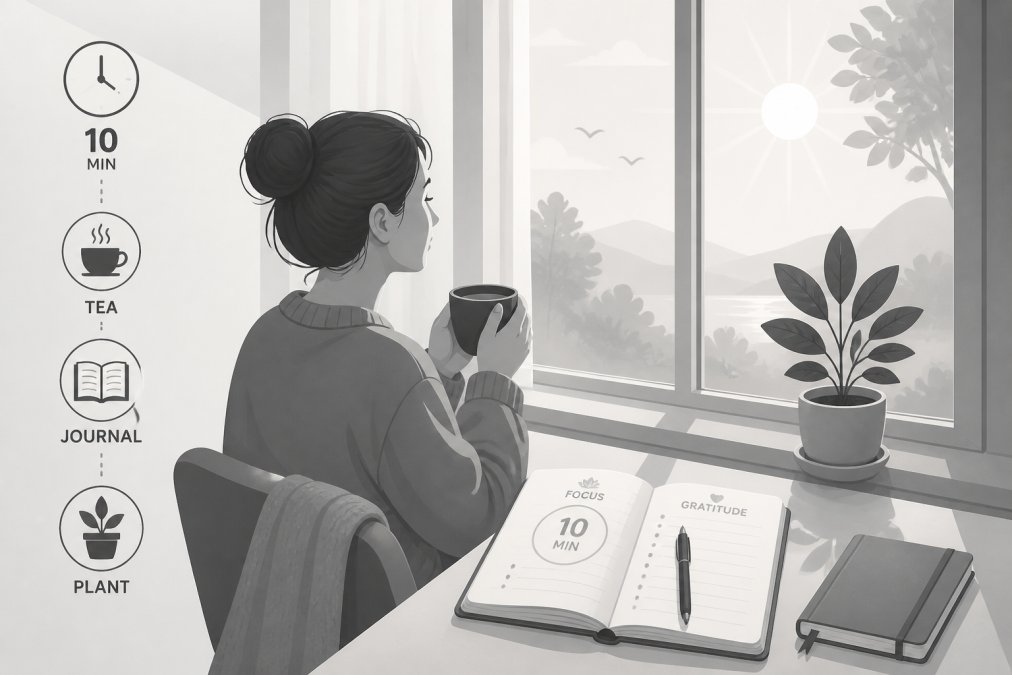
You don't need a dedicated meditation room, just a space where you can sit relatively undisturbed for five to ten minutes. When you practice in the same place regularly, your body and mind begin to associate that space with calm. Protect this time by telling people in your household that you're unavailable and putting your phone on silent.
Mindfulness in Everyday Tasks and Sensory Awareness
Formal meditation practice is valuable, but mindfulness extends far beyond sitting still. Eating is an excellent opportunity: instead of eating while working or watching screens, eat one meal or snack daily with full attention. Notice the colors, textures, and smells. Washing dishes becomes a meditation. Feel the warm water, notice the texture of soap, observe the transformation as dirt disappears. Walking, showering, making tea, and getting dressed can all become mindfulness practice.
Physical Posture Variations for Comfort
Mindfulness doesn't require sitting on a meditation cushion in perfect posture. It requires a position you can maintain comfortably while remaining alert. Sitting in a chair with your feet flat on the floor is perfectly valid. Your back can be supported and your hands can rest on your thighs. Lying down works for some practices, particularly body scan and evening relaxation. The position matters only insofar as it allows you to be present.
Mindfulness practice for beginners isn't complicated. It requires only your attention and your commitment to showing up regularly. Start small with five minutes a day. Find a technique that resonates with you. Practice in the same place at the same time. Notice when your mind wanders and gently return it. That's the entire practice.
The barrier isn't understanding what to do, it's consistency. At Soul Perfect, we've built a space where people share their mindfulness journeys, offer encouragement, and access curated resources for intentional living. When you're part of a community committed to presence and growth, maintaining your practice becomes easier. Join us and connect with others on the same path toward a more mindful, intentional life.
Frequently Asked Questions
How do I start a daily mindfulness practice as a complete beginner?
Begin with just 5 minutes in a quiet space. Choose one simple technique like deep breathing or body scan meditation. Set a specific time each day to practice, such as right after waking or before bed. Use a guided meditation script or app to help anchor your attention. The key is consistency over duration, practicing 5 minutes daily builds stronger habit formation than occasional longer sessions. Start with present moment awareness of your breath, observing thoughts without judgment as they arise.
How long should I practice mindfulness daily to see real benefits?
Research suggests that even 5-10 minutes of daily mindfulness practice can reduce stress and improve mental clarity. Most beginners find that practicing for 10-15 minutes daily shows noticeable benefits within 2-3 weeks of consistent practice. The duration matters less than consistency, daily practice for 5 minutes is more effective than sporadic 30-minute sessions. As you build the habit, you can gradually increase to 20-30 minutes if desired. Focus on establishing the routine first, then extend the time as it becomes more natural.
Can mindfulness help with stress and anxiety?
Yes, mindfulness is an evidence-based approach for stress reduction and managing anxiety. Practices like deep breathing, body scan meditation, and grounding techniques activate your relaxation response and reduce the mental fatigue associated with stress. Non-judgmental awareness of anxious thoughts helps you observe them without becoming overwhelmed. Regular mindfulness practice improves emotional regulation and cognitive focus, helping you respond to stressors more calmly. Even short daily sessions can lower cortisol levels and promote psychological health over time.
What's the best mindfulness exercise for beginners dealing with stress?
The body scan meditation is ideal for stress relief because it combines conscious attention with physical relaxation. Start by lying down or sitting comfortably, then slowly move your attention through each part of your body from head to toe, noticing tension and consciously releasing it. Deep breathing exercises are equally effective and faster, practice 4-7-8 breathing (inhale for 4 counts, hold for 7, exhale for 8) to quickly activate your relaxation response. Walking meditation offers sensory awareness during everyday movement. Choose whichever feels most natural to you and practice consistently.
How can I practice mindfulness while doing everyday chores?
Transform routine tasks into mindfulness practice by bringing conscious attention to sensory details. While washing dishes, notice the warm water temperature, the texture of soap, and the sounds around you. During a walk, observe your surroundings, your breath, and how your feet contact the ground. When eating, slow down and notice flavors, textures, and smells. This intentional living approach anchors your mind in the present moment instead of letting it wander to worries. These everyday mindfulness moments add up throughout your day and strengthen your overall practice without requiring extra time.
What are the best mindfulness apps for beginners?
Popular beginner-friendly apps include Insight Timer (offers free guided meditations), Calm (structured courses for new practitioners), and Headspace (specifically designed for beginners with short daily sessions). Many of these apps offer free trials or free versions with limited features. Choose an app that resonates with the teacher's voice and style, as this improves consistency. Apps with daily reminders help build habit formation. Some apps include mindfulness scripts, timers, and progress tracking. The best app is the one you'll actually use regularly, try a few free options before committing to a paid subscription.
How do I stay consistent with daily mindfulness practice?
Link your mindfulness practice to an existing daily routine, such as right after your morning coffee or before bed. Set a specific time and place to remove decision-making friction. Start with just 5 minutes so it feels manageable even on busy days. Use reminders on your phone or calendar. Track your practice in a journal or habit-tracking app to build accountability. Join a community like Soul Perfect where you can share your progress and receive encouragement from others on the same journey. Self-compassion matters, if you miss a day, simply resume the next day without judgment.
Is mindfulness different from meditation, and which should I do?
Mindfulness is a broader practice of bringing non-judgmental awareness to the present moment throughout your day, while meditation is a structured practice where you sit and focus your attention intentionally. Guided meditation is often the easiest entry point for beginners because it provides clear direction. However, mindfulness can be practiced anytime, during daily tasks, walking, or eating. Most effective beginner routines combine both: start with 5-10 minutes of guided meditation to build focus skills, then practice mindfulness during everyday activities. This dual approach strengthens your overall mental clarity and emotional regulation.
This article was written using GrandRanker