 listicle
Gamified Goal Setting for Productivity: A Practical Guide
Table of Contents
- How Gamified Goal Setting Transforms Your Productivity
- The Psychology Behind Game Mechanics and Task Completion
- Examples of Gamified Goal Setting in Action
- Best Practices for Habit Tracking and Goal Achievement
- Gamification Apps for Productivity That Actually Work
- Avoiding Gamification Burnout and Maintaining Long-Term Motivation
- Building Your Own Low-Tech Gamification System
- Conclusion
Last Updated: August 24, 2026
How Gamified Goal Setting Transforms Your Productivity
Gamified goal setting isn't just a trendy buzzword, it's a fundamental shift in how people approach work, habits, and personal growth. When you apply game mechanics to real-world tasks, mundane activities become engaging, progress becomes visible, and motivation sustains itself without constant willpower.
Games work because they provide immediate feedback, clear progress markers, and a sense of achievement. Gamified goal setting borrows these mechanics and applies them to your actual goals. Instead of grinding through a to-do list with no visible progress, you earn points, unlock badges, build streaks, or watch a virtual garden grow. Your brain releases dopamine when you complete tasks and see progress, which reinforces the behavior and makes you want to continue (peer-reviewed research).
At Soul Perfect, we provide a supportive environment for growth and inspiration, where members can find encouragement and resources for intentional living. The difference between a goal that sticks and one that fades often comes down to whether you can see your progress in real time and feel rewarded for incremental wins.
This guide covers the psychology behind why gamification works, practical examples you can implement today, the apps that deliver real results, and the critical pitfall most people overlook: burnout from over-gamification. We'll also show you how to build a low-tech gamification system if apps don't fit your style.

The Psychology Behind Game Mechanics and Task Completion
Game mechanics tap into intrinsic motivation, the internal drive to accomplish something because it matters to you. When you pair intrinsic motivation with extrinsic rewards (badges, points, streaks), the extrinsic reward becomes a signal that you're making progress, which reinforces your intrinsic drive.
Feedback loops are the engine. In traditional productivity systems, you set a goal, work toward it, and check back weeks later. The gap between action and feedback is too long. Games compress this gap: you complete a task, you get points instantly. This immediate feedback creates the "reward cycle", action triggers reward, which motivates the next action.
Streaks work because they use loss aversion. Humans fear losing something more than they enjoy gaining it (peer-reviewed research). A 14-day streak feels like something you've earned and must protect, even when motivation dips. This psychological principle becomes a powerful motivator.
Progress tracking visualizes what's often invisible. Without a chart, progress bar, or visual representation, you can't see how far you've come. Leaderboards and achievement systems make progress tangible. You can watch your completion percentage climb from 40% to 75%, and that visibility matters.
The flow state, that absorbed, focused state where time disappears, is where peak productivity happens (peer-reviewed research). Games are engineered to keep you in flow by calibrating difficulty to your skill level. Gamified goal setting that adjusts task difficulty or provides clear next steps helps you stay in that optimal zone longer.
Examples of Gamified Goal Setting in Action
Point Systems and Experience Progression
Point systems reward completion and consistency. You set a task, complete it, earn points. Accumulate enough points, and you level up. A common approach is weighted points: a small daily habit might earn 5 points, a challenging project might earn 50. This lets you balance quick wins with bigger accomplishments.
Experience progression works best when leveling up brings something, a new ability, a visual change, or access to a new challenge tier. If points just accumulate with no payoff, the system loses its motivational power.
Streaks and Visual Progress Tracking
A streak is a count of consecutive days you've completed a task. After 7 days, you have momentum. After 30 days, you have identity. After 100 days, the streak itself becomes the goal.
Visual progress tracking, progress bars, calendars with filled-in squares, percentage completion, makes invisible progress visible. The calendar view is particularly effective. A grid where each completed day gets a checkmark creates a visual pattern you don't want to break.
Leaderboards and Collaborative Competition
Leaderboards introduce social comparison and friendly competition. You see how your progress stacks against others, which activates achievement orientation. Leaderboards work best when multiple people are close in ranking, creating genuine competition.
Collaborative competition combines individual motivation with teamwork. You might compete for individual points but contribute to a team quest, balancing personal achievement with shared goals.
Best Practices for Habit Tracking and Goal Achievement
The most common mistake is treating game mechanics as the primary goal instead of the actual outcome. You end up optimizing for points instead of progress on what actually matters. The mechanics should serve the goal, not replace it.
Start with clarity on what you're actually trying to achieve. Is it building a consistent habit, completing a project, or improving a metric? The mechanics you choose should match the goal. A habit tracker with streaks works for consistency. A point system works better for varied tasks with different weights.
Set realistic task definitions. Vague tasks ("be productive") won't work in a gamified system. You need clear, binary outcomes: either you did it or you didn't. "Write 500 words" is gamifiable. "Work on writing" isn't.
Adjust difficulty as you progress. If a task stays equally difficult as you improve, it becomes boring. The best systems scale challenge alongside your capability to keep you in flow.
| Practice | Purpose | Implementation |
|---|---|---|
| Clear task definitions | Enable immediate feedback | "Complete 30-min workout" not "exercise" |
| Streaks | Use loss aversion | Track consecutive days visually |
| Weighted points | Balance quick wins with big goals | Small tasks = 5 pts, large = 50 pts |
| Progress visualization | Make invisible progress visible | Progress bars, calendars, percentage tracking |
| Difficulty scaling | Maintain flow state | Increase challenge as skill improves |
| Regular review | Stay aligned with actual goals | Weekly check-in on outcomes vs. points |
Gamification Apps for Productivity That Actually Work

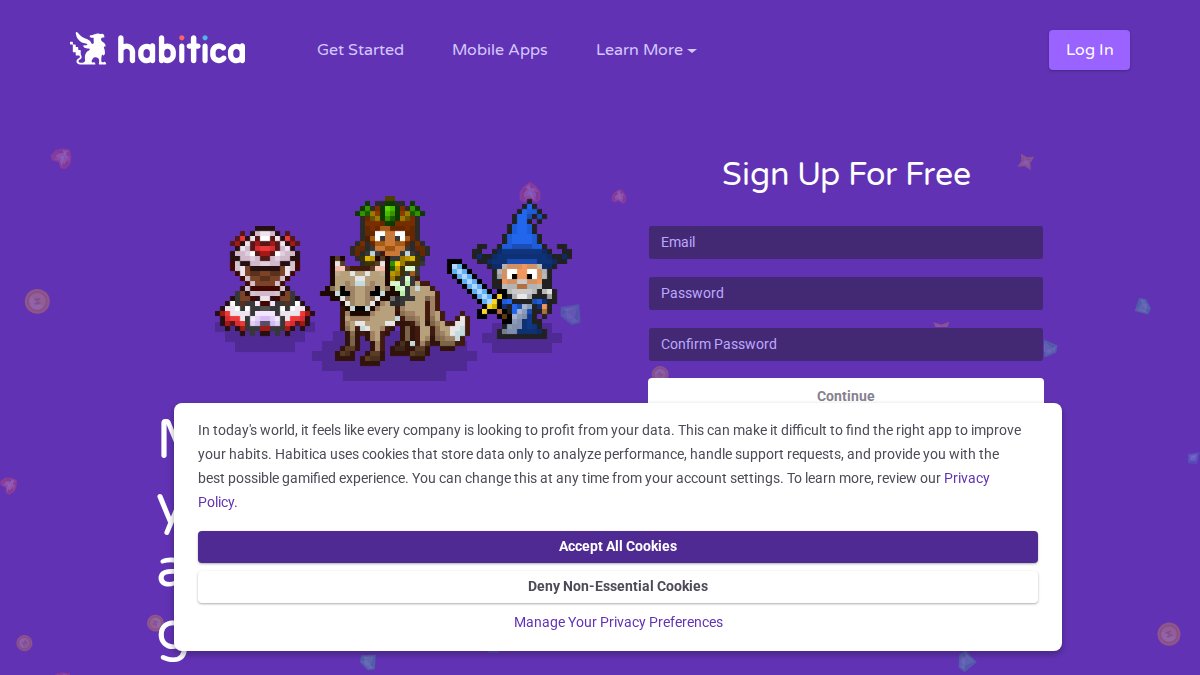
Habitica turns your life into an RPG. You create a character, assign habits and tasks, and earn experience points and loot for completion. The party system lets you quest with friends, adding social accountability. Habitica is free to use, with an optional subscription starting at $4.99/month or $47.99/year for additional features like monthly gems and mystery items. Best for people who want intense gamification and enjoy the RPG aesthetic.
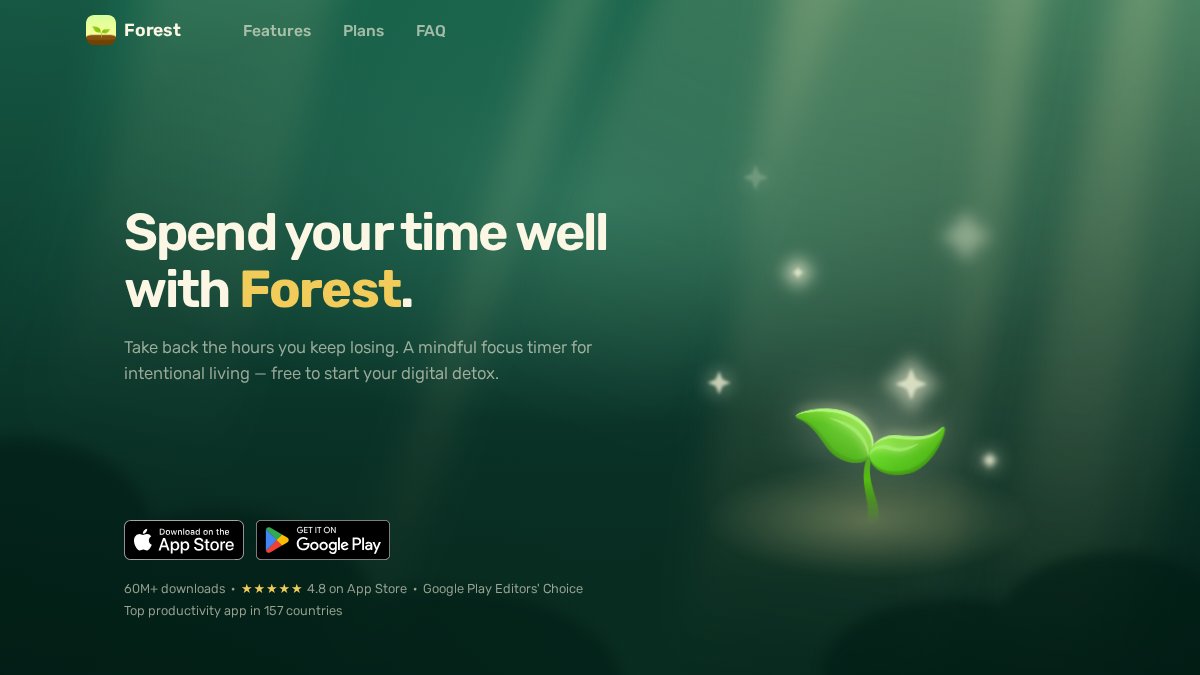
Forest gamifies focus time by having you plant a virtual tree during work sessions. The tree grows if you stay focused; it dies if you leave the app. The app partners with Trees for the Future to plant real trees. Forest offers a free tier with core focus features, app blocking, and group focus. A one-time purchase for the mobile app was previously available, but new users can now access a subscription called Forest Plus, with pricing varying by country and app store. As of August 2026, the US App Store lists early-bird options for Forest Plus at $5.99 monthly and $32.49 to $35.99 annually. Best for people struggling with phone distraction during deep work.
The Fabulous uses behavioral science to build healthy habits through guided journeys. The Fabulous app has a limited free version, with a premium subscription costing around $39.99 annually. There is often a trial period available. Best for beginners building foundational habits.
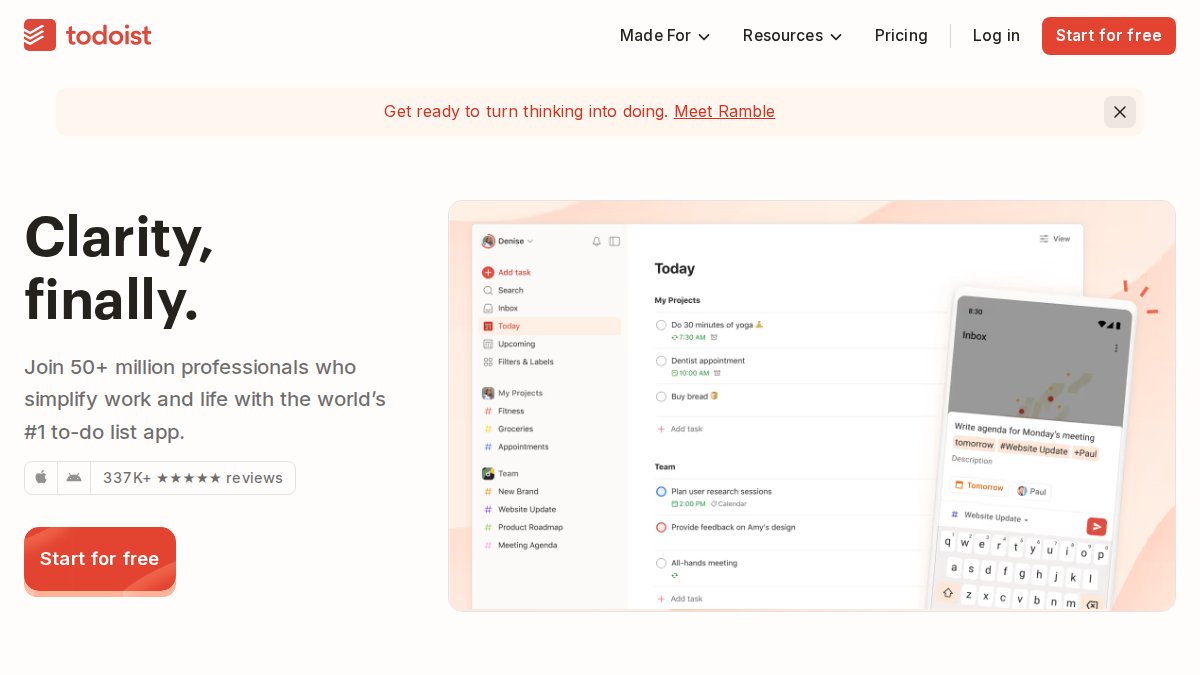
Todoist incorporates a "Karma" system where you earn points for completing tasks and lose points for missing deadlines. The gamification is subtle, which means it doesn't distract from actual task management. Todoist offers a free tier with a limit of 5 active projects. Paid plans, such as Pro and Business, offer more features and projects. As of December 2025, the Pro plan costs $7/month or $60/year, and the Business plan costs $10/month per user or $96/year per user. Best for people who need a strong task manager with light gamification.
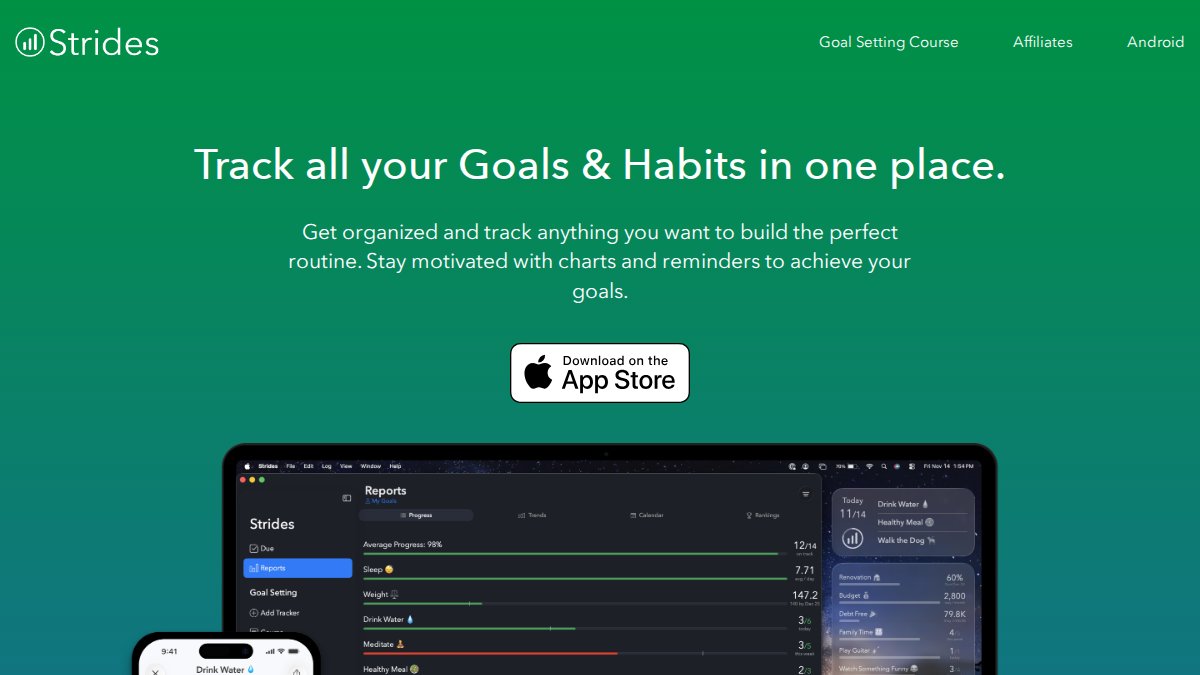
Strides focuses on detailed tracking with multiple tracker types: habits, targets, averages, and milestones. The visualization is comprehensive with progress bars, streaks, calendars, and success rates. Strides has a limited free tier that allows tracking of up to 3 goals and habits. The full version, Strides Plus, requires a subscription starting at $4.99/month or $39.99/year, with a one-time $79.99 lifetime option also available. It is limited to Apple devices. Best for metric-driven people who want granular progress data.
EpicWin is a lightweight iOS app that turns your to-do list into an RPG adventure. You complete tasks, earn XP and loot, and unlock new items for your character. EpicWin costs around $2.99. Best for people who want straightforward RPG-style gamification without overwhelming features.
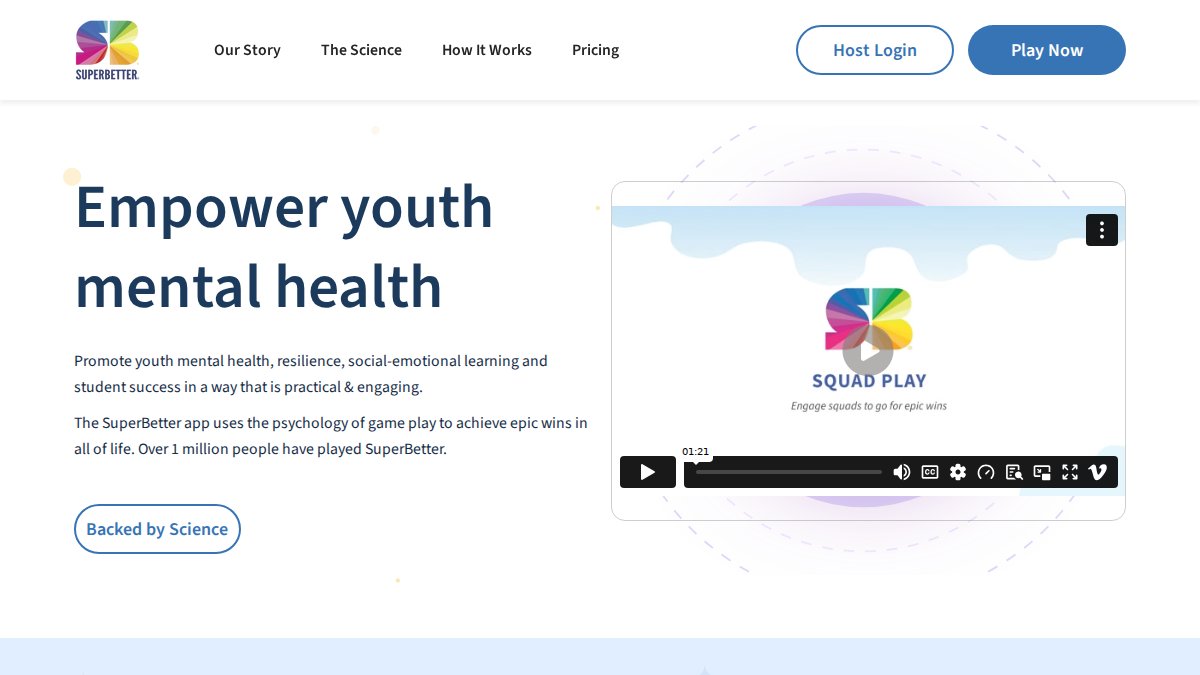
SuperBetter is science-backed and focuses on resilience and mental health. You work through challenges, collect power-ups, and fight "bad guys" (obstacles). SuperBetter offers a free Player account for joining squad challenges. A Hero account, for playing on your own, costs $24.99 per year and includes a 14-day free trial. Best for people working through health, mental health, or life challenges.
Habits Garden uses a nature metaphor where your garden grows as you complete habits. It's calming rather than intense and includes social features to play with friends. Habits Garden offers a 7-day free trial. Pricing includes a monthly plan or a lifetime plan for a one-time payment. The lifetime plan is available for $44.99. Best for people seeking a gentler, community-focused approach.
Avoiding Gamification Burnout and Maintaining Long-Term Motivation
Gamification can backfire. The same mechanics that create motivation can create burnout if you're not careful. Gamification burnout happens when the game becomes the goal. You're chasing points and streaks, but you've lost sight of why you started. You're gaming the system instead of using it to achieve something real.
The antidote is regular alignment checks. Weekly, ask yourself: Is this still serving my actual goal? Am I doing the task because it matters or because I need the points? If the answer is "points," recalibrate. Maybe reduce the number of tracked metrics or increase the difficulty so the task feels challenging again.
Another common pitfall is over-tracking. You gamify exercise, nutrition, sleep, meditation, work, and relationships. Now every aspect of life is a game, and the cognitive load becomes exhausting. The sweet spot is gamifying 1-3 key habits or goals, not everything.
If your gamification system is so complex that you spend more time updating it than doing the actual tasks, it's failed. Simple systems beat complex ones.
The best long-term approach is to treat gamification as a training tool, not a permanent system. Use it to build a habit until the habit becomes automatic. Once the behavior is ingrained, you can reduce or remove the gamification. The goal is to eventually internalize the motivation so you don't need external rewards.
Building Your Own Low-Tech Gamification System
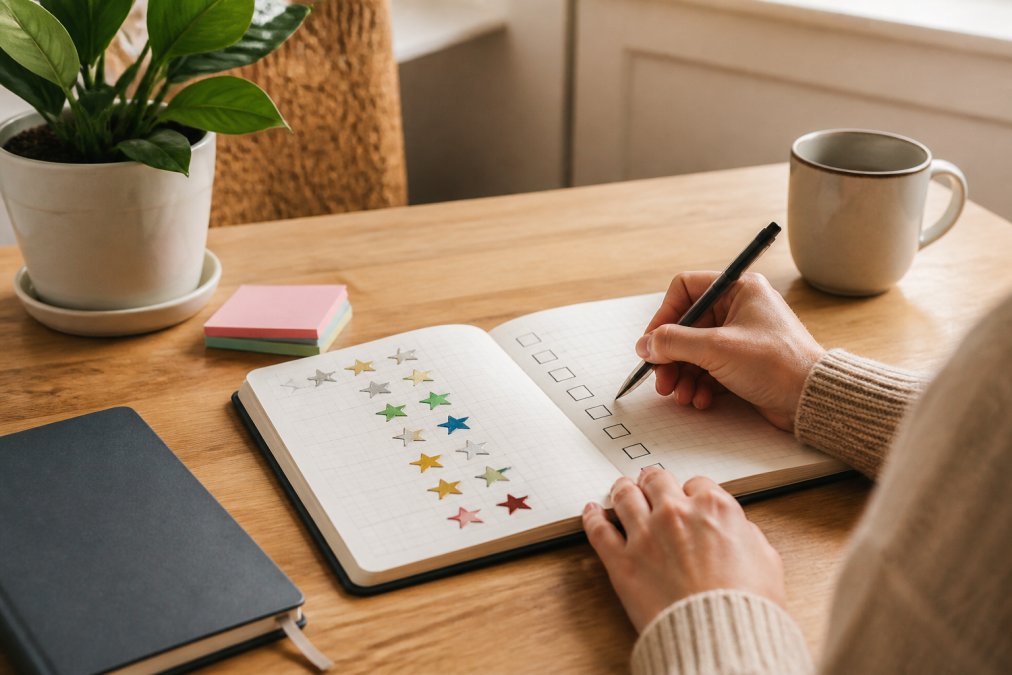
You don't need an app. A notebook, a calendar, and some basic mechanics can create a powerful gamification system.
Start with a simple habit tracker: a calendar where you mark off each day you complete your target. This is your streak tracker. The visual pattern of filled-in squares becomes its own reward.
Add a point system on paper. Define your tasks and assign point values. Daily habit = 5 points. Weekly goal = 20 points. Monthly milestone = 100 points. Every 50 points, you unlock a small reward (extra coffee, 30 minutes of guilt-free leisure, a new book). This creates the feedback loop without needing an app.
Create a leaderboard if you're doing this with others. A shared spreadsheet or whiteboard shows who's earning points and activates achievement orientation.
Use a progress bar drawn on paper. If you're working toward a big goal, draw a simple bar and shade it in as you progress. Seeing the bar fill provides the same visual satisfaction as an app.
The advantage of low-tech is simplicity and flexibility. You can adjust rules on the fly. The disadvantage is that you have to maintain it manually, which requires more discipline. But for many people, that manual tracking is itself part of the gamification, the act of writing it down makes it more real.
Low-tech works best for people who want customization, who find apps overwhelming, or who are skeptical about whether gamification will stick.
Conclusion
Gamified goal setting works because it aligns how our brains are wired, feedback, progress, and achievement, with how we actually accomplish goals. The mechanics aren't the point; they're the vehicle. The real work is choosing the right mechanics for your specific goal, maintaining alignment with what actually matters, and knowing when to step back before the game becomes the goal.
Soul Perfect's community-focused approach to personal growth pairs naturally with gamified goal-setting practices. By connecting with others pursuing similar goals and sharing progress through our marketplace, you gain both the individual motivation of gamification and the social accountability of community. Start with one clear goal, choose one simple mechanic, and let the feedback loop build momentum. The rest follows.
=== FAQ ANSWERS (audit these too, same rules) ===
[1] Q: How does gamification improve productivity in daily tasks? A: Gamification improves productivity by breaking tasks into smaller, rewarding milestones that trigger dopamine release and create positive feedback loops. Progress tracking, badges, and points provide immediate feedback that reinforces task completion. This transforms mundane work into engaging challenges, increasing both task completion rates and the likelihood of sustained effort. The combination of clear goals, visible progress, and tangible rewards keeps your brain motivated throughout the day.
[2] Q: What are the best practices for habit tracking with gamified systems? A: Start by tracking only 2-3 habits simultaneously to avoid cognitive overload. Use consistent daily check-ins at the same time each day to build automaticity. Set realistic daily targets rather than perfectionist goals, and celebrate small wins through visual progress markers like streaks or points. Pair your tracking with a community or accountability system for added motivation. Review your progress weekly to identify patterns and adjust difficulty levels before burnout occurs.
[3] Q: Can gamification help with long-term habit formation, or does it lead to burnout? A: Gamification can support long-term habit formation when designed thoughtfully, but poorly implemented systems do cause burnout. The key is balancing intrinsic motivation (doing something because it matters to you) with extrinsic rewards (points and badges). Avoid systems that punish failure harshly or create unsustainable performance pressure. Rotate rewards, adjust difficulty as habits become automatic, and take planned breaks. Research shows that gamification works best when it reinforces behavior you genuinely value, not when it forces artificial engagement.
[4] Q: What are some simple ways to gamify personal goals without using apps? A: Create a physical progress chart on your wall using checkmarks, stickers, or colored markers to visualize streaks. Set up a simple point system where you award yourself points for completing daily goals, then redeem points for small rewards you enjoy. Use a calendar to mark consecutive days of success, which creates a visual streak that becomes its own motivation. Invite a friend to compete in friendly challenges with shared goals, adding collaborative competition. These low-tech methods activate the same reward pathways as apps while requiring no technology.
Frequently Asked Questions
How does gamification improve productivity in daily tasks?
Gamification improves productivity by breaking tasks into smaller, rewarding milestones that trigger dopamine release and create positive feedback loops. Progress tracking, badges, and points provide immediate feedback that reinforces task completion. This transforms mundane work into engaging challenges, increasing both task completion rates and the likelihood of sustained effort. The combination of clear goals, visible progress, and tangible rewards keeps your brain motivated throughout the day.
What are the best practices for habit tracking with gamified systems?
Start by tracking only 2-3 habits simultaneously to avoid cognitive overload. Use consistent daily check-ins at the same time each day to build automaticity. Set realistic daily targets rather than perfectionist goals, and celebrate small wins through visual progress markers like streaks or points. Pair your tracking with a community or accountability system for added motivation. Review your progress weekly to identify patterns and adjust difficulty levels before burnout occurs.
Can gamification help with long-term habit formation, or does it lead to burnout?
Gamification can support long-term habit formation when designed thoughtfully, but poorly implemented systems do cause burnout. The key is balancing intrinsic motivation (doing something because it matters to you) with extrinsic rewards (points and badges). Avoid systems that punish failure harshly or create unsustainable performance pressure. Rotate rewards, adjust difficulty as habits become automatic, and take planned breaks. Research shows that gamification works best when it reinforces behavior you genuinely value, not when it forces artificial engagement.
What are some simple ways to gamify personal goals without using apps?
Create a physical progress chart on your wall using checkmarks, stickers, or colored markers to visualize streaks. Set up a simple point system where you award yourself points for completing daily goals, then redeem points for small rewards you enjoy. Use a calendar to mark consecutive days of success, which creates a visual streak that becomes its own motivation. Invite a friend to compete in friendly challenges with shared goals, adding collaborative competition. These low-tech methods activate the same reward pathways as apps while requiring no technology.
This article was written using GrandRanker