 listicle
7 Methods to Manage Stress Daily
Table of Contents
- Quick Stress-Relief Techniques You Can Use Right Now
- Breathing Exercises for Stress That Work Anywhere
- Meditation and Mindfulness for Daily Stress Relief
- Physical Activity and Exercise as Stress Management
- Daily Stress Management Tips for Busy Lives
- Sleep, Nutrition, and Relaxation Techniques
- How to Manage Chronic Stress Over Time
- When to Seek Professional Support
- Frequently Asked Questions
Last Updated: October 13, 2026
Quick Stress-Relief Techniques You Can Use Right Now
When stress hits hard, you need relief that works immediately, and there are proven methods to manage stress that don't require hours of preparation or special equipment.
At Soul Perfect, we understand that stress management isn't one-size-fits-all. Some people need a quick reset between meetings. Others need deeper techniques for chronic tension. This guide covers both, starting with what you can do right now.
The fastest stress-relief techniques tap into your body's natural calming systems. Your nervous system responds to specific signals within seconds. Deep breathing, progressive muscle relaxation, and grounding exercises trigger this response. You'll feel the shift before your mind fully catches up.
Here's what we'll cover: breathing exercises you can use anywhere, meditation and mindfulness practices, physical activity strategies, daily stress management routines, sleep and nutrition approaches, and how to identify when you need professional support.
Breathing Exercises for Stress That Work Anywhere
Your breath is the fastest lever you have to calm your nervous system. Controlled breathing sends signals to your body that it's safe to relax. Unlike meditation, which requires mental focus, breathing exercises work through pure physiology.
The 4-7-8 Breathing Technique
This technique is simple: inhale for 4 counts, hold for 7 counts, exhale for 8 counts. The extended exhale is what does the work. It activates your parasympathetic nervous system, which is your body's brake pedal for stress.
Here's how to use it:
- Sit or lie down in a comfortable position
- Breathe in through your nose for a count of 4
- Hold your breath for a count of 7
- Exhale slowly through your mouth for a count of 8
- Repeat 4 times
Many people feel calmer after just one round. The technique works best when you practice it consistently, even on low-stress days. This builds your capacity to access calm when you need it most.
Box Breathing for Immediate Calm
Box breathing is even simpler: breathe in for 4, hold for 4, breathe out for 4, hold for 4. It's called box breathing because each side of the box takes equal time. Military and law enforcement personnel use this technique because it works under extreme pressure.
The steps are straightforward:
- Inhale through your nose for 4 counts
- Hold for 4 counts
- Exhale through your mouth for 4 counts
- Hold for 4 counts
- Repeat 5-10 times
This technique is especially useful before stressful situations: presentations, difficult conversations, or medical appointments. You can do it discreetly at your desk or in your car.
Meditation and Mindfulness for Daily Stress Relief
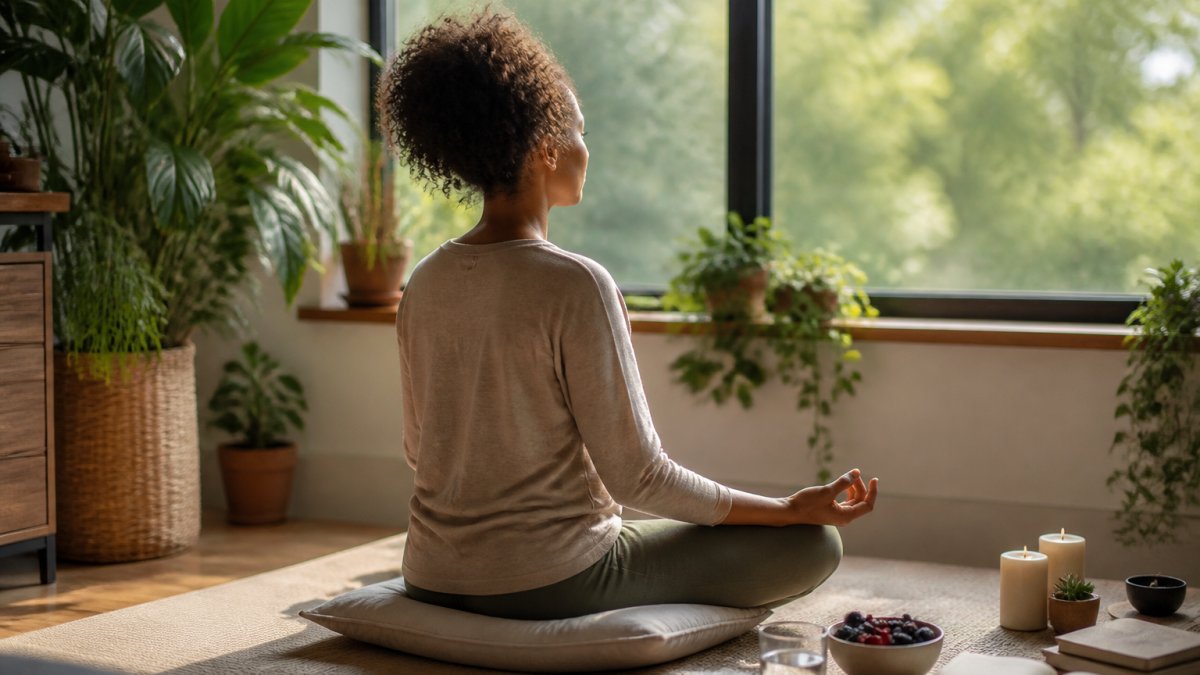
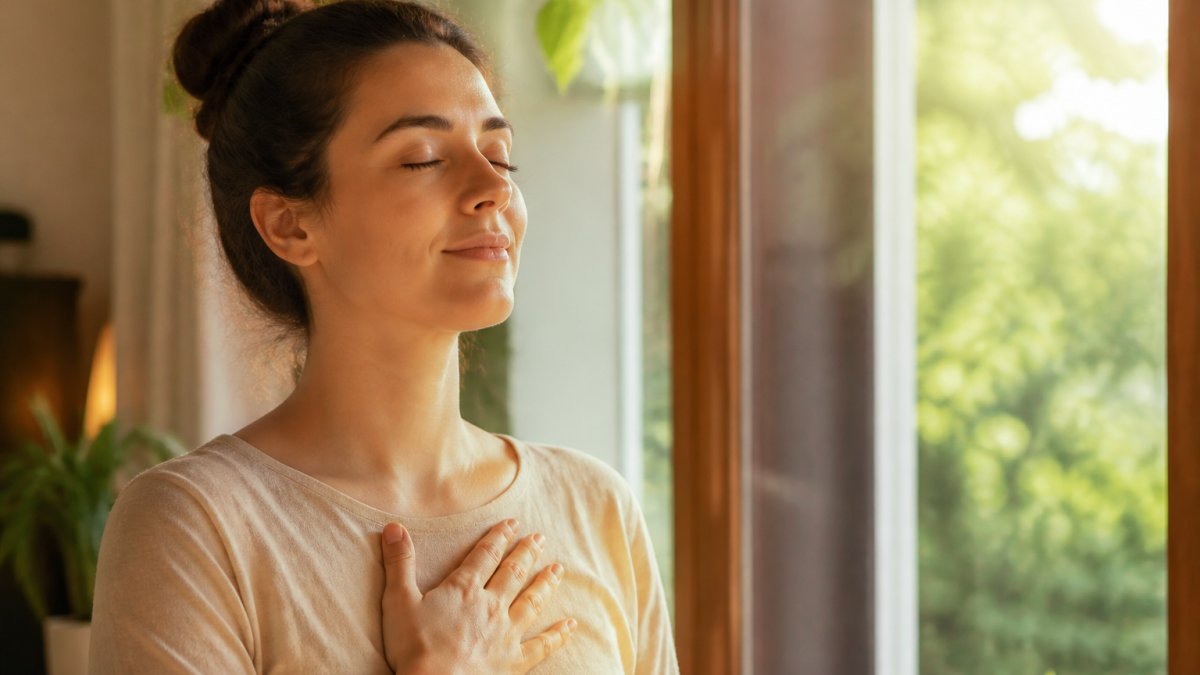
Meditation trains your mind to observe stress without being swept away by it. Mindfulness is the practice of paying attention to the present moment without judgment.
You don't need to meditate for an hour. Even 5 minutes of daily meditation creates measurable shifts in how your brain processes stress. The key is consistency, not duration.
A simple practice to start: sit quietly, focus on your breath, and when your mind wanders (it will), gently bring your attention back to your breath. That's it.
Mindfulness works differently. Instead of trying to empty your mind, you notice what's happening right now. You observe your thoughts, feelings, and sensations without trying to change them. This creates distance between you and your stress response.
Many people find that combining both approaches works best. Use meditation for deep calm and mindfulness for moment-to-moment awareness throughout your day.
Physical Activity and Exercise as Stress Management
Exercise is one of the most reliable stress management tools available. Movement shifts your neurochemistry. It burns off stress hormones like cortisol and adrenaline. It also releases endorphins, which improve mood and resilience.
You don't need intense workouts. A 20-minute walk, a yoga class, or dancing to music you love all count. The type of exercise matters less than consistency.
Here's why exercise works so effectively: stress triggers a fight-or-flight response that floods your body with hormones meant for physical action. When you exercise, you complete that cycle.
The best exercise for stress is the one you'll actually do. If you hate running, don't force it. If you love swimming, prioritize that. If you're busy, short bursts of activity work.
Daily Stress Management Tips for Busy Lives
Stress management isn't something you do once a week. It's built into your daily rhythm. Small, consistent practices compound into major shifts in how you experience stress.
Create a Morning Routine That Sets You Up for Success
How you start your day determines how you handle stress all day long. A rushed, chaotic morning puts you in survival mode before work even begins.
A grounding morning routine doesn't need to be long. Even 15 minutes makes a difference. Here's a framework:
- Wake without immediately checking your phone (even 10 minutes helps)
- Drink water and eat something nourishing
- Do 5 minutes of breathing, stretching, or meditation
- Set one intention for the day
- Move your body gently (walk, stretch, yoga)
The specific activities matter less than the consistency and the fact that you're starting from a calm place. When you begin your day intentionally, stress feels more manageable.
Build Short Breaks Into Your Day
Stress compounds when you push through without pausing. Your nervous system never gets a chance to reset. By the end of the day, you're depleted.
Short breaks work better than long ones for managing stress throughout the day. A 2-minute breathing break every hour is more effective than a 30-minute break once a day.
Try this: set a timer for every 90 minutes. When it goes off, stop what you're doing and take 2 minutes. Stretch, breathe, look away from your screen, or step outside. This simple practice prevents stress from accumulating.
Use Affirmations and Positive Self-Talk
Your inner dialogue shapes how you experience stress. Negative self-talk amplifies stress. Positive self-talk reduces it.
Believe in Yourself Amber jar soy candle →
Affirmations work best when they're specific and believable. "I can handle this challenge" works better than "everything is perfect." The second one triggers resistance because you know it's not true.
Choose affirmations that counter your specific stress patterns:
- If you catastrophize: "I'm handling what's in front of me right now"
- If you feel overwhelmed: "I can break this into smaller steps"
- If you doubt yourself: "I've handled difficult things before"
- If you feel out of control: "I can control my response"
Say your affirmations during your morning routine or whenever you notice stress rising. Consistency matters more than perfect wording.
Sleep, Nutrition, and Relaxation Techniques
Sleep is where your body processes stress and recovers. Poor sleep makes stress harder to manage. Better sleep makes everything easier.
Aim for 7-9 hours consistently. Your body thrives on rhythm. Going to bed and waking at similar times, even on weekends, improves sleep quality dramatically.
Nutrition directly affects stress resilience. Caffeine and sugar spike anxiety. Whole foods, protein, and healthy fats stabilize your nervous system. Hydration matters too. Dehydration increases anxiety and stress perception.
Relaxation techniques activate your parasympathetic nervous system, which is the opposite of your stress response. Progressive muscle relaxation works by tensing and releasing each muscle group. Massage, whether self-massage or professional, releases physical tension where stress lives in your body.
Create a relaxation ritual you enjoy. This might be a warm bath, gentle stretching, listening to music, or time in nature. The specific activity matters less than doing it regularly and doing it intentionally.
How to Manage Chronic Stress Over Time
Acute stress comes and goes. Chronic stress lingers. It requires a different approach than quick fixes.
Identify Your Stress Triggers and Response Patterns
You can't manage what you don't see. Start noticing what triggers your stress. Is it specific situations, people, times of day, or types of tasks? Notice patterns.
Then notice your response. Do you get irritable, withdrawn, anxious, or physically tense? Do you reach for food, alcohol, or screen time? Understanding your pattern is the first step to changing it.
Write this down. Over a week, note what triggered stress and how you responded. Patterns emerge quickly. Once you see them, you can choose different responses.
Build a Personalized Stress-Management Plan
Generic advice doesn't stick. Your plan needs to match your life and your stress triggers.
Start here: choose one technique from this guide that appeals to you. Not the one that sounds best in theory, but the one you'd actually do. Commit to it for one week.
Add one more technique the following week. Build slowly. A plan with three techniques you actually use beats a plan with ten techniques you don't.
Include what you'll do when stress is low (daily practices) and what you'll do when stress is high (emergency tools). Include how you'll know if something is working.
Track What's Working and Adjust as Needed
After two weeks of using your plan, evaluate. Is your stress lower? Are you sleeping better? Do you feel more resilient?
If something isn't working, replace it. If something is, keep it and add one more layer. Stress management is iterative. What works this month might need adjustment next month as your life changes.
Keep it simple. Write down your three main techniques and check them off daily. This simple tracking shows patterns and keeps you accountable.
When to Seek Professional Support
Some stress is manageable with self-care. Some isn't. Knowing the difference matters.
Seek professional support if:
- Your stress persists despite consistent self-care efforts
- You're having thoughts of harming yourself
- Stress is affecting your ability to work, relationships, or daily functioning
- You're using substances to cope with stress
- You feel hopeless or persistently depressed
- Your anxiety is severe or interfering with sleep
A therapist or counselor can teach you additional techniques and help you process underlying causes of stress. This isn't a failure. It's wisdom.
Your primary care doctor can also help. Some stress symptoms need medical attention. Some medications support stress management when combined with self-care.
Managing stress daily is an act of self-respect. You're telling yourself that your well-being matters. Start with one technique that appeals to you. Notice what shifts. Build from there.
Soul Perfect exists to support your journey toward intentional living and emotional well-being. Explore our Believe in Yourself Amber jar soy candle to create a calming space for your stress-management practice, or browse our collection of framed posters featuring affirmations that reinforce your commitment to managing stress.
| Technique | Best For | Time Required | When to Use |
|---|---|---|---|
| 4-7-8 Breathing | Immediate calm | 2-3 minutes | Before stressful events |
| Box Breathing | Quick reset | 2-4 minutes | During the workday |
| Meditation | Deep stress relief | 5-20 minutes | Daily practice |
| Exercise | Processing stress | 20-30 minutes | Regular schedule |
| Affirmations | Mindset shift | 2-5 minutes | Morning routine |
| Progressive Relaxation | Physical tension | 10-15 minutes | Evening wind-down |
Frequently Asked Questions
What are the best methods to manage stress quickly?
The fastest stress-relief methods include deep breathing (try the 4-7-8 technique for 2-3 minutes), a short walk, or a few minutes of guided meditation. Physical movement like stretching or dancing also triggers your body's relaxation response quickly. These techniques work because they interrupt your stress response and signal safety to your nervous system within minutes.
Can breathing exercises help reduce stress?
Yes. Breathing exercises directly calm your nervous system by activating your parasympathetic response. Box breathing and the 4-7-8 technique are proven methods to lower your heart rate and reduce anxiety. Practice these for just 2-5 minutes when you feel stress building, or use them as part of a daily routine to build resilience over time.
How can I manage stress in my daily life without it taking hours?
Integrate stress management into what you already do: take the stairs for movement, practice breathing during your commute, set a phone reminder for a 2-minute meditation break, or use your lunch hour for a walk. Short, consistent practices work better than occasional long sessions. Even 5 minutes of daily intentional stress relief builds lasting change.
How do I know if stress is affecting my health?
Common signs include tension headaches, trouble sleeping, changes in appetite, difficulty concentrating, irritability, or persistent fatigue. If you notice these symptoms lasting more than a few weeks, or if stress is affecting your work or relationships, it's time to try structured stress-management methods or talk to a healthcare provider.