 listicle
Best Free Apps for Building Daily Habits
Table of Contents
- Why Habit Tracking Apps Matter for Daily Consistency
- Habit Tracking Best Practices Before You Choose an App
- How Long Does It Take to Build a New Habit
- Free vs. Paid: Understanding Feature Limitations
- Top Habit Tracker App Examples You Can Start Today
- Habitica: Gamification Meets Habit Building
- Loop Habit Tracker: Privacy-First Tracking
- Everyday: Simplicity Across Devices
- stickK: Accountability Through Commitment
- Productive: Structured Tracking with Analytics
- The Fabulous: Behavioral Science-Backed Routines
- Done: Minimalist Design for Focused Goals
- What Makes a Habit Tracker Actually Stick
- Building Your Habit Stack with Community Support
- Conclusion
Last Updated: August 29, 2026
Why Habit Tracking Apps Matter for Daily Consistency
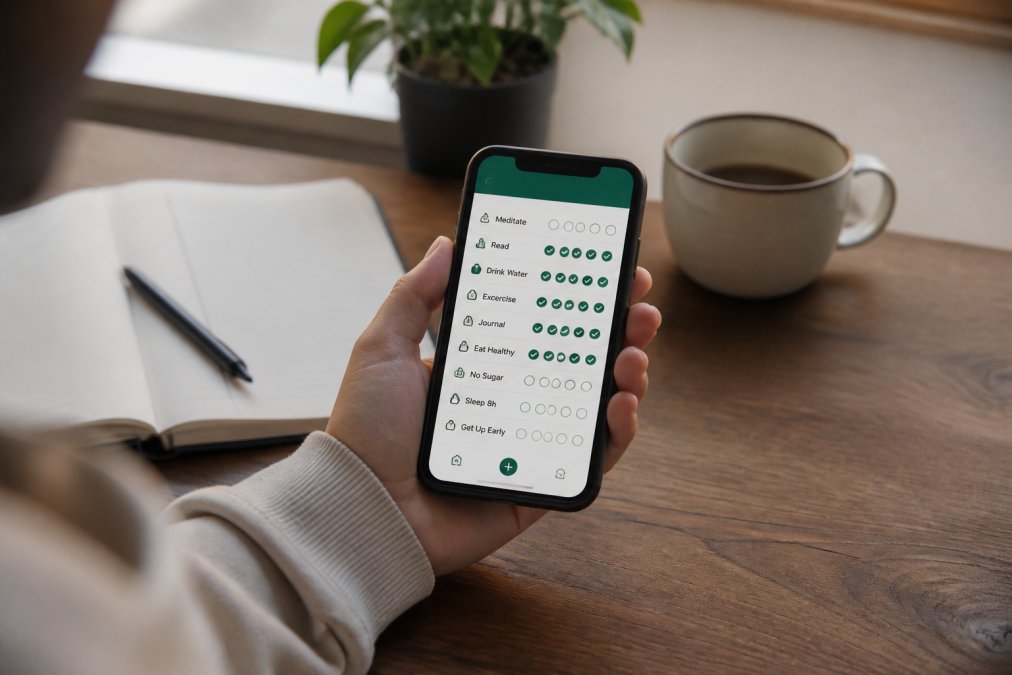
Building habits isn't about motivation, it's about removing friction between intention and action. Habit tracking apps automate the memory work, sending reminders at the right time and providing visual feedback that your brain craves. That feedback loop, seeing progress accumulate, is what separates people who build habits from those who fail.
The best free apps make consistency visible. Some gamify it, others strip away everything but essentials, and a few add community accountability. But they all share one core function: they turn abstract goals into concrete daily actions you can check off.
At Soul Perfect, we understand that sustainable change happens when you're part of something bigger than yourself. While standalone apps handle the tracking mechanics, pairing them with community support transforms habit building from a solo grind into a shared journey. That combination of personal accountability and community connection is what makes habits stick long-term.
Habit Tracking Best Practices Before You Choose an App
Before downloading anything, understand what makes habits stick. Research shows consistency matters more than intensity (peer-reviewed research). A five-minute daily routine beats a 90-minute weekend effort almost every time.
Start with one habit. Your brain has limited willpower, and splitting it across multiple goals is how people abandon all of them. Pick the habit that, if you built it, would unlock other improvements in your life.
Choose a specific time and anchor it to an existing routine. "I'll exercise" fails. "I'll exercise at 6:30 AM after my coffee" works. Habit stacking, attaching a new behavior to an established one, is one of the most reliable techniques in behavioral science (peer-reviewed research). Your app should support this by letting you set specific times and reminders.
Track the behavior, not the outcome. Track "did I meditate for 10 minutes" not "do I feel calm." You control the action; you don't always control the result.
How Long Does It Take to Build a New Habit
The popular answer is 21 days. That's wrong. Simple habits like drinking water can feel automatic in 2-4 weeks. More complex habits like running 30 minutes typically take 8-12 weeks before they feel natural. Some research suggests 66 days is closer to average, but that's highly individual (peer-reviewed research).
The key variable isn't time elapsed, it's consistency. Missing days resets your progress more than you'd think. An app that tracks streaks visually, showing you a calendar of completed days, is more effective than one that logs data silently. You need to see the chain forming.
Expect a motivation dip around week three, when novelty wears off and the habit hasn't yet become automatic. This is where most people quit. Apps with reminders, streak counters, and social accountability help you push through. By week six, the habit usually starts feeling less like a chore and more like a normal part of your day.
Free vs. Paid: Understanding Feature Limitations
Most of the best free apps offer a freemium model. You get core functionality free, habit logging, reminders, basic streak tracking. Premium features typically include unlimited habits, advanced analytics, cloud sync across devices, or community features.
For someone just starting out, free is the right choice. You're testing whether you'll actually use the app. Start free. If you hit the limitation of the free version and find yourself wanting more, that's when upgrading makes sense.
Common free limitations include tracking only 3-5 habits instead of unlimited, no cloud backup between devices, or basic analytics instead of detailed breakdowns. Some free versions show ads.
| Feature | Free Tier | Premium Tier | Best For |
|---|---|---|---|
| Habit logging | Yes | Yes | All users |
| Reminders | Yes, limited | Yes, customizable | Consistency |
| Streak tracking | Yes | Yes | Motivation |
| Cloud sync | Often limited | Yes | Multi-device users |
| Analytics | Basic | Detailed | Data-driven users |
| Unlimited habits | 3-5 habits | Unlimited | Power users |
| Community features | No | Yes | Accountability seekers |
Top Habit Tracker App Examples You Can Start Today
Habitica: Gamification Meets Habit Building
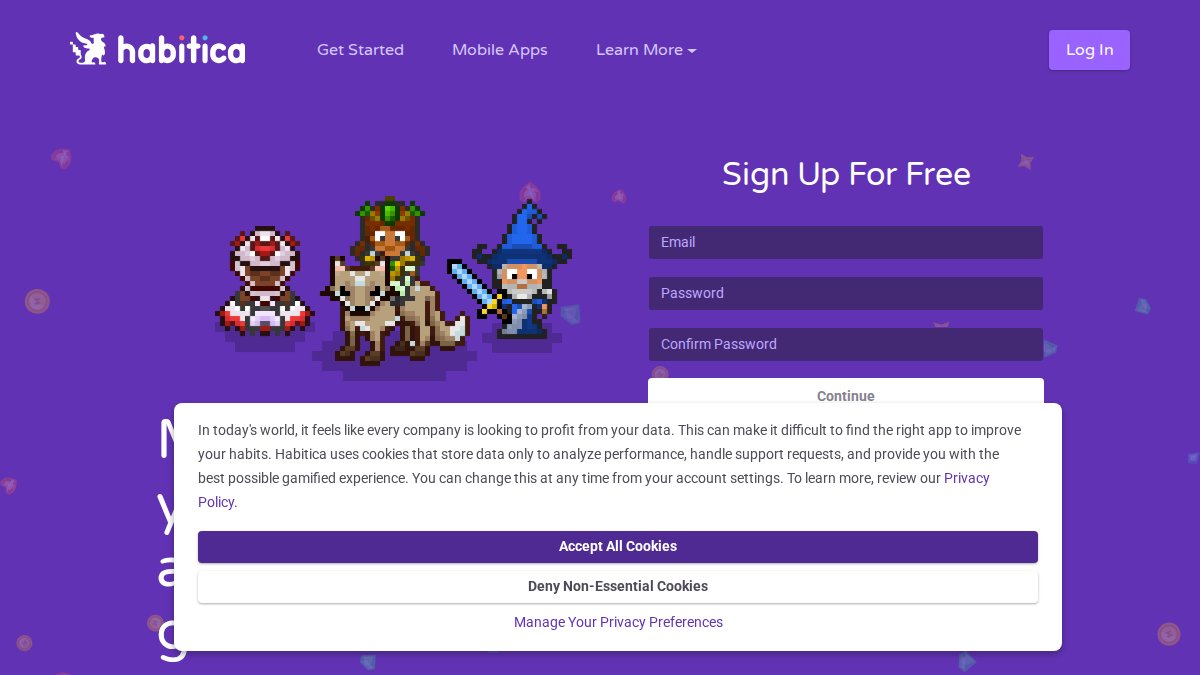
Habitica treats your real life like a role-playing game. You create an avatar, and every time you complete a habit, daily task, or to-do, your character gains experience points and levels up. You can buy equipment, adopt virtual pets, and join guilds with other players.
This approach works because it hijacks your brain's reward system. For people who respond to gamification, Habitica is one of the most engaging habit trackers available. The social features, guilds, parties, challenges, add accountability without feeling forced.
The core functionality is completely free. You can track unlimited habits, join communities, and experience most of what makes Habitica compelling without paying. The main drawback is the learning curve and that it's better suited for people who enjoy gaming mechanics.
Loop Habit Tracker: Privacy-First Tracking
Loop Habit Tracker is an open-source Android app that prioritizes privacy and simplicity. All your data stays on your device. There's no cloud sync, no account creation, no ads, and no premium tier. It's completely free.
The interface is clean and focused. You log habits, see your streak, and view detailed statistics about your performance. The app calculates habit strength, a score based on consistency and frequency.
This app is best for Android users who value privacy and don't need cross-device sync. The tradeoff is minimal features, no gamification, no social accountability, and no integration with other apps.
Everyday: Simplicity Across Devices
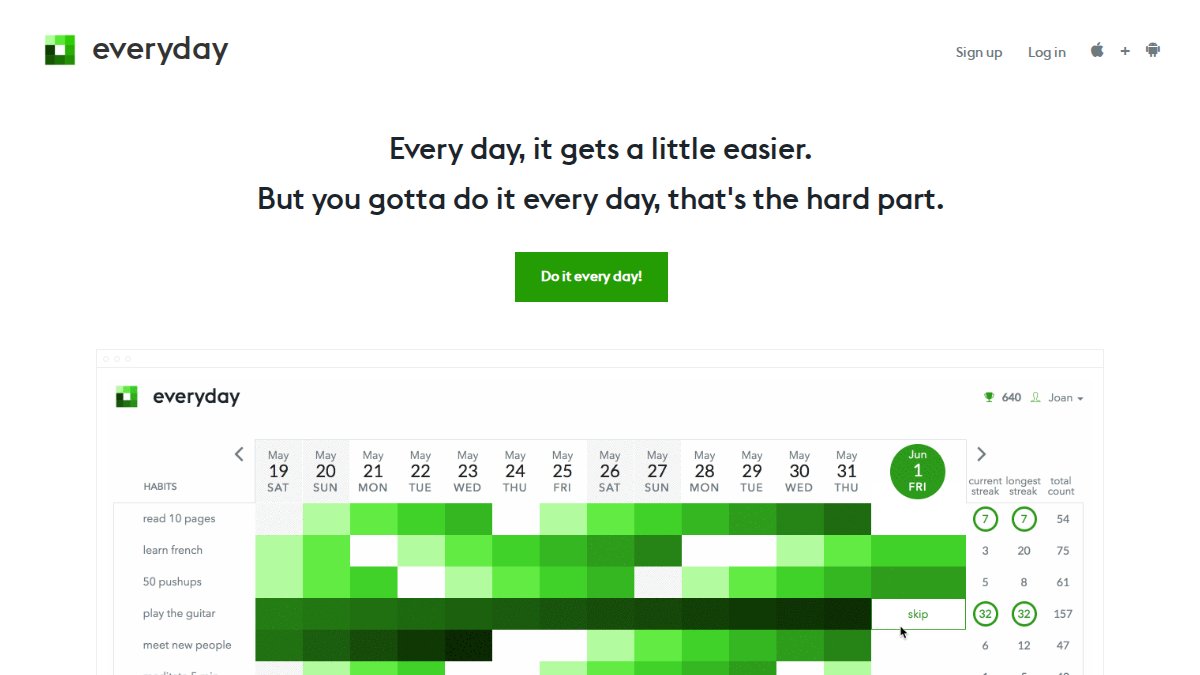
Everyday is designed for people who want to track habits without overthinking it. The free version lets you track up to three habits. The interface is minimal and clean. You can use it on web, iOS, Android, and even browser extensions.
The strength of Everyday is its cross-platform synchronization. You log a habit on your phone and see it updated instantly on your computer. Reminders can be delivered via email or push notification. The yearly data visualization shows your progress over time in a simple, scannable format.
For someone building 1-3 habits, Everyday's free tier is sufficient. The limitation is obvious: three habits feels restrictive once you're building momentum, but that constraint also forces focus.
stickK: Accountability Through Commitment
stickK is different from other habit trackers. Instead of just logging habits, you make financial commitments. You set a goal, define what success looks like, and choose a financial stake. If you achieve your goal, you keep your money. If you fail, your money goes to a charity.
This approach leverages loss aversion, the psychological principle that losing money hurts more than gaining it feels good. You can also appoint referees to verify your progress and supporters to provide encouragement.
stickK is free to use, but the financial stakes are optional. However, the app is most effective when you're actually risking something. This app is best for people who know they need external motivation and are willing to use financial stakes to ensure follow-through.
Productive: Structured Tracking with Analytics
Productive offers a middle ground between simplicity and features. The free version lets you track habits, see weekly and monthly progress, and view streaks. Curated habit sets help you get started quickly with morning routines, sleep improvement, and productivity habits.
The paid version adds detailed analytics, unlimited habits, and Siri Shortcuts integration. The interface is clean and motivating. Productive is best for iOS users who want structure and analytics without overwhelming complexity.
The free version has meaningful limitations in the number of habits and analytics depth, but it's a solid starting point for testing whether you'll actually use a habit tracker.
The Fabulous: Behavioral Science-Backed Routines
The Fabulous is built on behavioral psychology principles from Duke University. Instead of just tracking habits, it guides you through "Journeys", structured programs designed to build specific routines focused on self-care: sleep, movement, meditation, hydration.
The free version gives you access to basic journeys and the community. Premium unlocks unlimited custom routines, daily coaching, and deeper community features. This app is best for beginners who want structure and guidance. The behavioral science backing is reflected in how the app guides you.
The limitation is that the free version is fairly restricted, but it's enough to experience what makes The Fabulous different from other trackers.
Done: Minimalist Design for Focused Goals
Done strips habit tracking to its absolute essentials. You set a goal frequency, check it off when you do it, and see your streak. No gamification, no community, no analytics beyond basic streak counting.
The minimalist approach appeals to people who find other apps overwhelming. There's no decision paralysis, no feature bloat, no distraction. Done's free version tracks a limited number of habits. The paid version unlocks unlimited tracking and customization.
The tradeoff is lack of motivation mechanics. If you need gamification, community, or detailed analytics to stay motivated, Done won't provide that.
What Makes a Habit Tracker Actually Stick
The best habit tracker isn't the one with the most features. It's the one you'll actually open every day.
Friction is the enemy. If opening the app requires logging in, navigating menus, or making decisions, you'll skip it. The fastest, simplest trackers win because they remove barriers between intention and action.
Reminders matter more than you'd think. Most people don't fail because they forgot the habit, they fail because they forgot to do it at the right time. Apps that send push notifications at your chosen time dramatically improve consistency.
Visual feedback is critical. Seeing a streak accumulate creates psychological momentum. Missing a day breaks the chain, which stings enough to motivate you to maintain it.
Community or accountability accelerates habit formation. Whether it's a guild in Habitica, supporters in stickK, or shared experience through platforms like Soul Perfect, knowing you're not alone changes the psychology. The best habit tracker matches your personality and what actually moves you.
Building Your Habit Stack with Community Support

Habit stacking, building multiple habits into a coherent system, works better with community support. When you're building habits alone, motivation is fragile. When you're building them as part of a community, you have accountability, encouragement, and proof that change is possible.
Start with one habit. Once it's automatic (usually 6-12 weeks), add a second. Stack them intentionally. If you're building a morning routine, you might stack: wake at 6 AM → drink water → meditate → exercise. Each habit triggers the next, reducing decision-making friction.
Share your progress. Telling someone else about your goals increases follow-through dramatically. People who share their goals publicly and report progress regularly achieve them at significantly higher rates than those who track privately. The accountability is motivation, you want to show up for yourself and for the people rooting for you.
At Soul Perfect, the community aspect of habit building is core to how sustainable change happens. You're not just tracking habits in isolation, you're sharing your journey, learning from others' experiences, and receiving encouragement when motivation dips. That combination of personal accountability and community connection transforms a habit tracker from a tool into a lifestyle change.
Start small. Build one habit. Share your progress. Add community support. That combination, a simple tracker, consistent daily action, and community encouragement, is what makes habits stick long-term.
Building daily habits doesn't require expensive apps or complicated systems. The best free apps for building daily habits are the ones you'll actually use, combined with community support. Start with a simple tracker that matches your personality, whether gamified, minimalist, or analytics-driven. Pair it with community accountability through the app's features or platforms like Soul Perfect. Consistency beats perfection. One habit, tracked daily, with community support, will transform your life more than five habits abandoned after two weeks.
Frequently Asked Questions
What is the best free app for building habits?
The best free app depends on your needs. Loop Habit Tracker excels for privacy-conscious Android users with detailed analytics. Habitica suits those who enjoy gamification and community features. Everyday offers simplicity across devices with a free tier. stickK works best if you need accountability through commitment contracts. All these apps have solid free versions that don't require premium subscriptions to track daily habits effectively.
How long does it take to build a new habit?
Research suggests 21 to 66 days for a behavior to become automatic, though complex habits take longer. Most people experience noticeable progress within 2-3 weeks of consistent daily tracking. The key is maintaining your streak without breaking the chain. Using a habit tracker app creates visible accountability and positive reinforcement, which accelerates the timeline by keeping you engaged during the critical early weeks.
Do habit tracker apps actually help with long-term consistency?
Yes, when used correctly. Apps provide data visualization, streak tracking, and reminders that trigger behavioral change. The gamification elements in apps like Habitica boost motivation through progress metrics and positive reinforcement. However, the app itself is a tool, success depends on setting realistic goals, choosing habits aligned with your values, and using the app's notification system consistently. Apps work best as part of a broader commitment to intentional living.
Can I track habits without paying for a premium subscription?
Absolutely. Loop Habit Tracker is completely free with no ads or limitations. Habitica offers robust free features including gamification, dailies, and social guilds. Everyday provides a free tier for up to 3 habits with unlimited data storage. Productive and The Fabulous have free versions with core tracking functionality. The free tiers of these apps support habit tracking, reminders, and progress visualization without requiring payment.
This article was written using GrandRanker