 listicle
Tiny Buddha Alternatives for Personal Growth
Table of Contents
- Why People Seek Personal Growth Alternatives
- How to Start a Personal Growth Journey
- Community-Driven Platforms for Intentional Living
- Daily Affirmation Apps for Mental Wellness
- Overcoming Social Anxiety in Self-Help Group Settings
- Building Your Personal Growth Toolkit
- Frequently Asked Questions
Last Updated: September 26, 2026
Why People Seek Personal Growth Alternatives
Personal growth feels urgent when life throws you off balance. You're burned out from work, recovering from loss, or simply tired of scrolling through generic self-help content that doesn't speak to your reality. The problem isn't a lack of resources, it's that most platforms treat personal development like a one-size-fits-all product. They deliver inspiration without community. Motivation without accountability. Content without connection.
That's why people search for tinybuddha alternatives for personal growth. They want something different. Something real.
The shift toward community-driven platforms reflects a deeper truth: transformation rarely happens in isolation. You need witnesses to your journey. People who understand what you're going through because they're going through it too. Platforms that combine daily affirmations, shared stories, and intentional living practices create the kind of environment where real change takes root.
How to Start a Personal Growth Journey
Starting a personal growth journey doesn't require a perfect plan or a specific moment of readiness. It requires one decision: to show up, even imperfectly.
The first step is clarity about what "growth" means for you specifically. Are you healing from a setback? Building better habits? Developing emotional resilience? Cultivating self-compassion? Your answer shapes which resources and communities will actually serve you. Generic platforms fail because they assume everyone needs the same thing.
Next, choose your primary platform or community. This is where the personal growth alternatives landscape matters. You're looking for a space that combines three qualities: authentic connection, practical daily tools, and a culture of encouragement rather than judgment. Soul Perfect, for example, offers a free community built explicitly around shared stories and intentional living, no algorithms pushing you toward comparison, just real people supporting real growth.
Once you've chosen your space, commit to a simple daily practice. This might be reading affirmations, reflecting on a prompt, or spending 10 minutes in the community. Consistency matters more than intensity. A 5-minute daily practice beats a 90-minute session you do once a month.
Community-Driven Platforms for Intentional Living
The difference between scrolling alone and growing together is profound. Community-driven platforms create accountability, normalize vulnerability, and remind you that your struggles aren't unique, they're human.

These platforms typically share common features: shared personal stories, daily encouragement, discussion spaces, and resources for personal growth alternatives that focus on intentional living. What sets them apart is culture. Some communities feel transactional. Others feel genuinely supportive.
The best communities have three characteristics. First, they're moderated to maintain psychological safety, trolls and toxic behavior get removed quickly. Second, they encourage both sharing and lurking; you're never pressured to post if you're not ready. Third, they offer structure without rigidity, daily prompts, optional challenges, resources available but not mandatory.
Soul Perfect: A Free Community Built on Authentic Connection
Soul Perfect operates a free community explicitly designed for women seeking encouragement and personal growth. Founded by Kashundra (Kassie) Lucas, the platform combines shared personal stories, daily affirmations, and intentional living resources within a culture of genuine support.
The core appeal is simplicity. There's no algorithm. No gamification designed to hijack your attention. Just real people sharing real experiences, offering encouragement, and collectively building a space where vulnerability is met with compassion rather than judgment. The community includes women recovering from burnout, navigating life transitions, managing caregiving responsibilities, and simply seeking daily reminders that they're enough.
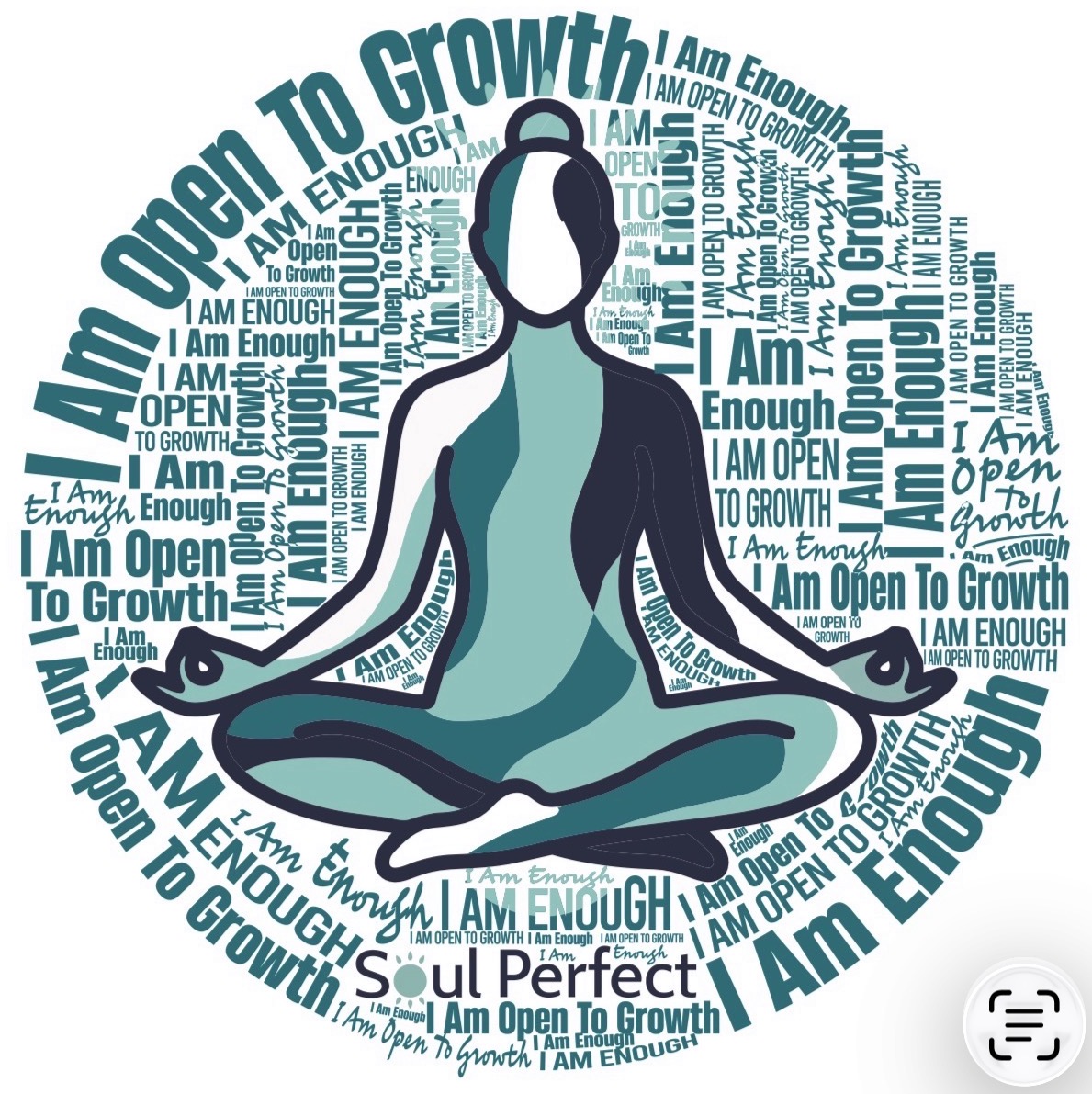
Soul Perfect also operates an integrated marketplace where vendors can share positivity-focused products. This means you can find affirmation apparel, wellness gifts, and resources created by community members who share the platform's values. The I Am Open to Growth / I Am Enough collection includes items like soy candles ($21.99), affirmation apparel ($28.99-$54.99), and home décor designed to support intentional living. These aren't generic products; they're created with the community's actual needs in mind.
What makes Soul Perfect distinct as a tinybuddha alternative for personal growth is that it's free to access the community while offering optional products for those who want tangible reminders of their growth journey. You're never pushed to buy. The community stands alone.
Daily Affirmation Apps for Mental Wellness
Daily affirmations work through a well-documented psychological mechanism: cognitive restructuring. Negative self-talk activates the brain's threat-detection system, triggering stress responses that reinforce anxiety and self-doubt. Repeated positive affirmations interrupt this cycle by activating the brain's reward and motivation centers, gradually rewiring automatic thought patterns. Research in cognitive behavioral therapy (CBT) shows that this process requires consistency before neural pathways stabilize enough to produce lasting behavioral change.
However, not all affirmations are equally effective. Generic statements like "I am successful" often fail because they lack specificity and emotional resonance. The most effective affirmations are grounded in your actual life, acknowledge real challenges, and reframe them with agency. For example, instead of "I have no anxiety," a more effective affirmation might be "I notice anxiety and choose to breathe through it." This approach, called "realistic optimism" in positive psychology, maintains credibility while shifting your response pattern.
Personalization and specificity. Apps that let you write or customize affirmations outperform those with generic templates. The customization process itself, articulating what you actually need to hear, activates deeper cognitive engagement than passive consumption.
Overcoming Social Anxiety in Self-Help Group Settings
-
Passive observation (0-1 week). Read others' stories and posts without engaging. This accomplishes two things: it normalizes vulnerability (you see others sharing fears similar to yours) and it reduces the novelty of the space, making it feel less threatening.
-
Minimal engagement (week 1-2). React to posts with emojis or one-word comments. This is low-stakes participation that proves you can interact without catastrophe.
-
Structured sharing (week 2-3). Respond to a specific prompt or question in a small group or breakout space. Structured prompts reduce the cognitive load of "what do I say?" and create psychological safety through clear boundaries.
-
Authentic participation (week 3+). Share your own experience, ask questions, engage in real conversation. By this point, you've gathered evidence that the community is safe and that you're capable of participating.
Anonymity or pseudonym options. When you can use a username instead of your real name, the threat of social judgment decreases significantly. You're less identifiable, which reduces the stakes of vulnerability. Many people transition to using their real name after building confidence, but the option matters.
- Cognitive Behavioral Therapy (CBT) focuses on identifying and challenging catastrophic thoughts. It works well for people whose anxiety is primarily driven by negative predictions.
- Acceptance and Commitment Therapy (ACT) teaches you to notice anxiety without fighting it, then take action aligned with your values anyway. It works well for people whose anxiety is persistent despite thought-challenging.
- Exposure-based approaches (used in most community settings) provide direct evidence that feared outcomes don't occur. This is the most effective for social anxiety specifically.
Building Your Personal Growth Toolkit
A personal growth toolkit isn't something you buy once and forget. It's something you build gradually, adding tools that actually work for your life rather than tools that look good on paper.
Frequently Asked Questions
What are the best alternatives to Tiny Buddha for daily inspiration?
Personal growth alternatives range from community platforms to affirmation apps. Soul Perfect offers a free community focused on intentional living and shared personal stories, combined with affirmation apparel that serves as daily reminders. Other options include mindfulness-focused platforms, meditation apps, and stoic philosophy resources. The best choice depends on whether you prefer structured guidance, community connection, or solo reflection practices.
How can I overcome social anxiety in self-help group settings?
Start by choosing communities that explicitly value privacy and consent, like Soul Perfect, where you can observe before participating. Many supportive communities allow members to lurk and consume resources without sharing. Set small, achievable participation goals like reading one post daily. Remember that vulnerability is optional, many people find connection through listening first. Look for groups with clear community guidelines that protect members from judgment or pressure to share.
What are the best daily affirmation apps for mental wellness?
Daily affirmation apps work best when paired with physical reminders. Soul Perfect combines a supportive community platform with affirmation apparel like the I Am Open to Growth t-shirt ($28.99) or framed poster ($29.99), creating touchpoints throughout your day. Effective apps typically include customizable affirmations, progress tracking, and community features. Choose apps that align with your specific growth goals, whether that's stress management, emotional resilience, or building self-compassion.
How do I know a personal growth community is actually worth my time?
Look for communities with genuine member stories, clear moderation standards, and transparent values. Soul Perfect's free community model means you can test the experience without financial commitment. Evaluate whether the platform offers both inspiration and structure, affirmations alone don't create lasting change. Check if members report real transformation, not just feel-good moments. The best communities balance encouragement with accountability and provide practical resources alongside emotional support.
The journey toward personal growth doesn't require perfection, it requires community, consistency, and tools that match your actual life. Soul Perfect combines all three: a free community built on authentic connection, daily resources for intentional living, and affirmation products designed to support your wellness journey. Start with the community, add a daily practice, and let the rest build from there. Your growth is already underway.