
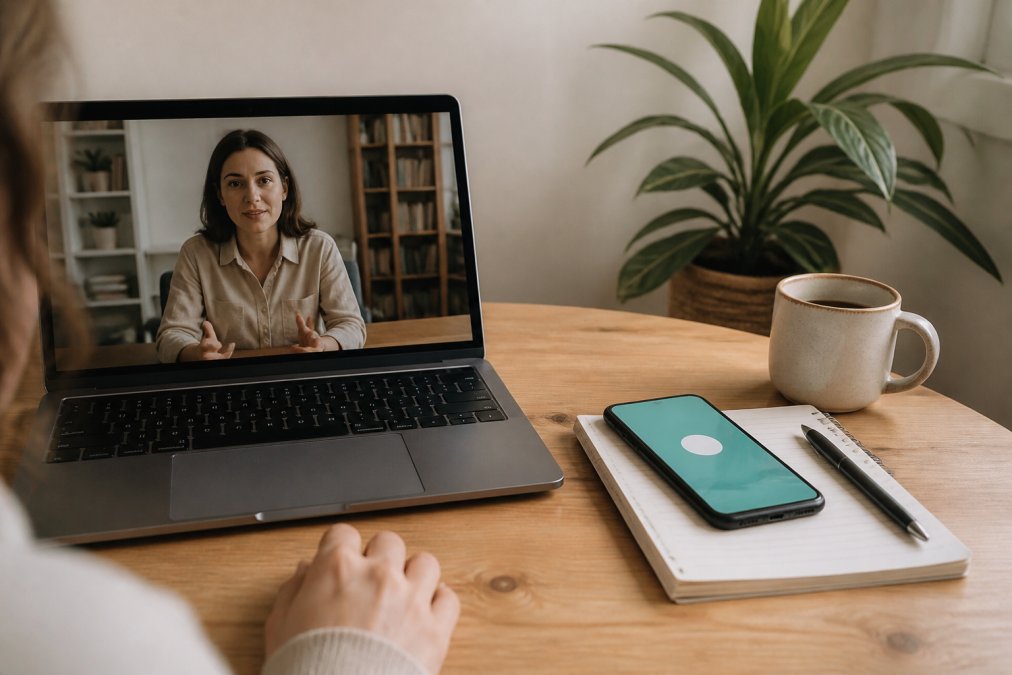
 comparison
Online Therapy vs Self-Help Apps: 2026 Guide
Table of Contents
- Online Therapy vs Self-Help Apps: Key Differences
- Comparison Table: Online Therapy Platforms and Self-Help Apps
- Effectiveness of Mental Health Apps and Online Therapy
- Cost of Online Therapy vs Apps: Pricing and Insurance
- When to Seek Professional Mental Health Help
- Privacy, Data Security, and HIPAA Compliance
- Integration Strategies: Combining Online Therapy and Self-Help Tools
- Pros and Cons: Making Your Choice
- Frequently Asked Questions
Last Updated: September 2, 2026
Online Therapy vs Self-Help Apps: Key Differences
The choice between online therapy and self-help apps isn't just about cost or convenience, it's about matching the right tool to your mental health needs. Online therapy connects you with licensed clinical care providers, while self-help apps offer self-guided software designed for symptom management and personal growth. Understanding the distinction matters because they solve different problems at different intensity levels.
Soul Perfect recognizes that many people navigating mental health support feel overwhelmed by options. This guide breaks down the real differences between these two approaches, helping you identify which one, or whether a combination, fits your situation.
Clinical Oversight and Licensed Care
Online therapy platforms like BetterHelp and Talkspace connect you with licensed therapists who hold state credentials and follow evidence-based practice standards. These professionals conduct clinical assessments, diagnose conditions, and develop personalized treatment plans. They're bound by HIPAA regulations, maintain confidentiality agreements, and can prescribe medication through psychiatric services when needed.
Self-help apps operate differently. Calm and Headspace offer meditation, breathing exercises, and mood tracking, tools designed for self-guided software users who want to manage everyday stress without professional oversight. These apps don't diagnose, don't provide clinical diagnosis, and aren't intended to replace therapy for serious mental health conditions. They're built for low-barrier support and personal wellness, not clinical treatment.
The clinical oversight distinction matters most when symptoms are severe or persistent. A therapist can recognize warning signs you might miss, adjust your treatment approach based on your progress, and escalate care if needed. An app cannot do any of this.
Therapeutic Relationship vs Self-Guided Software
Licensed therapists build a therapeutic alliance with you over time. This relationship, the human connection, trust, and personalized feedback, is itself therapeutic. Your therapist learns your history, remembers what you've shared, and adjusts their approach based on how you respond.
Self-help apps offer structure without relationship. You follow guided meditations, track your mood, and work through modules at your own pace. The benefit is flexibility and privacy; the trade-off is that no one knows your full picture or can adapt the approach if you're stuck.
For many people, the therapeutic relationship is what drives change. Research shows that the quality of the therapist-patient alliance predicts treatment outcomes better than the specific technique used (peer-reviewed research). Apps can't replicate this, though they can complement it.
Comparison Table: Online Therapy Platforms and Self-Help Apps
| Feature | Online Therapy (BetterHelp/Talkspace) | Self-Help Apps (Calm/Headspace) | Winner for Clinical Needs |
|---|---|---|---|
| Licensed Clinician | Yes, licensed therapists | No, self-guided only | Online Therapy |
| Clinical Diagnosis | Yes, assessment & diagnosis | No, symptom tracking only | Online Therapy |
| Treatment Planning | Personalized care plan | Generic modules | Online Therapy |
| Therapeutic Relationship | Yes, ongoing alliance | No, algorithm-driven | Online Therapy |
| Cost (Monthly) | $276-$280 | $12.99-$14.99 | Self-Help Apps |
| Free Tier | No | Yes, limited content | Self-Help Apps |
| HIPAA Compliance | Full compliance required | Variable, check privacy policy | Online Therapy |
| Best For | Moderate to severe symptoms, diagnosis needed | Mild stress, wellness, habit building | Depends on symptom severity |
Effectiveness of Mental Health Apps and Online Therapy
Both approaches work, but for different use cases. The evidence is clearest when you match the tool to the problem.
Evidence-Based Practice for Mild to Moderate Symptoms
Self-help apps excel at helping people manage mild anxiety, everyday stress, and sleep issues. Meditation and breathing exercises reduce immediate anxiety symptoms and help build mindfulness habits. Many users report better sleep and lower baseline stress after consistent use.
Online therapy works for mild to moderate depression and anxiety as well, with the added benefit of professional assessment. A therapist can identify whether your symptoms point to generalized anxiety disorder, social anxiety, or something else, and adjust treatment accordingly. For moderate symptoms, the therapeutic relationship often accelerates improvement compared to apps alone.
The key: apps work best when symptoms are manageable and you're motivated to practice consistently. They fail when symptoms are severe, when you lack motivation, or when you need someone to hold you accountable.
When Professional Therapy Outperforms Self-Help Tools
Professional online therapy becomes necessary when symptoms interfere with work, relationships, or daily functioning. If you're experiencing persistent sadness, panic attacks, suicidal thoughts, or behavioral patterns you can't break alone, a licensed therapist provides clinical oversight that no app can match.
Therapy also works better when you need a clinical diagnosis. Depression and anxiety look different in different people; a therapist can distinguish between them and rule out other conditions. Self-help apps assume you already know what you're treating.
Additionally, therapy is essential if you have a history of trauma, substance use, or serious mental illness. These conditions require professional assessment and personalized treatment planning, not generic modules.
Cost of Online Therapy vs Apps: Pricing and Insurance
Self-help apps are significantly cheaper upfront. Calm and Headspace charge around $12.99 to $14.99 per month (or less on annual plans), with free tiers offering limited content. You can try them with minimal financial risk.
Online therapy platforms cost more. BetterHelp starts around $280 per month, while Talkspace begins around $276 per month (betterhelp.com). However, many users have insurance coverage that reduces out-of-pocket costs, sometimes to $0 copays. If you have insurance, check whether your plan covers online therapy, many now do.
The cost-effectiveness question depends on your situation. If your symptoms are mild and you're motivated, a $15/month app might be all you need. If you need professional care, the $280 investment in therapy often pays for itself through improved functioning, better work performance, and reduced emergency care costs.
When to Seek Professional Mental Health Help
Knowing when to upgrade from an app to a therapist can be the difference between managing symptoms and getting real relief.
Acute Symptoms and Crisis Intervention
Acute symptoms demand immediate professional attention. If you're experiencing a panic attack, suicidal ideation, severe depression, or a mental health crisis, an app won't help. You need a licensed clinician who can assess your safety and provide emergency intervention.

Crisis intervention is time-sensitive. The 988 Suicide and Crisis Lifeline is free and available 24/7. For less acute but urgent concerns, online therapy platforms can often match you with a therapist within 48 hours.
Clinical Diagnosis and Treatment Planning
If you're unsure what you're experiencing, professional assessment clarifies the picture. A therapist conducts a clinical interview, rules out medical causes, and identifies the specific condition. This diagnosis informs your treatment approach.
Self-help apps can't diagnose. They assume you already know what you're treating. If you're wrong about your diagnosis, you might spend months using the wrong tools. A therapist gets you to the right treatment faster.
Treatment planning is where professional therapy shines. A therapist designs a plan tailored to your history, goals, and circumstances. They adjust the plan based on your progress and can integrate multiple evidence-based practices. Apps follow a one-size-fits-most approach.
Privacy, Data Security, and HIPAA Compliance
Online therapy platforms are required to comply with HIPAA regulations (hhs.gov). Your conversations are encrypted, stored securely, and protected by law. Therapists cannot share your information without explicit consent (with narrow exceptions for safety).
Self-help apps vary widely in their privacy practices. Some collect minimal data; others track your usage patterns, mood trends, and personal information for marketing purposes. Before downloading, read the privacy policy carefully. Ask: What data does the app collect? Who can access it? How long is it stored?
If privacy is a concern, especially if you're dealing with stigmatized conditions, online therapy offers stronger legal protections. HIPAA compliance is mandatory, not optional.
Integration Strategies: Combining Online Therapy and Self-Help Tools
The best approach for many people isn't either/or, it's both. A therapist can recommend specific self-help apps to use between sessions, creating a comprehensive treatment plan.
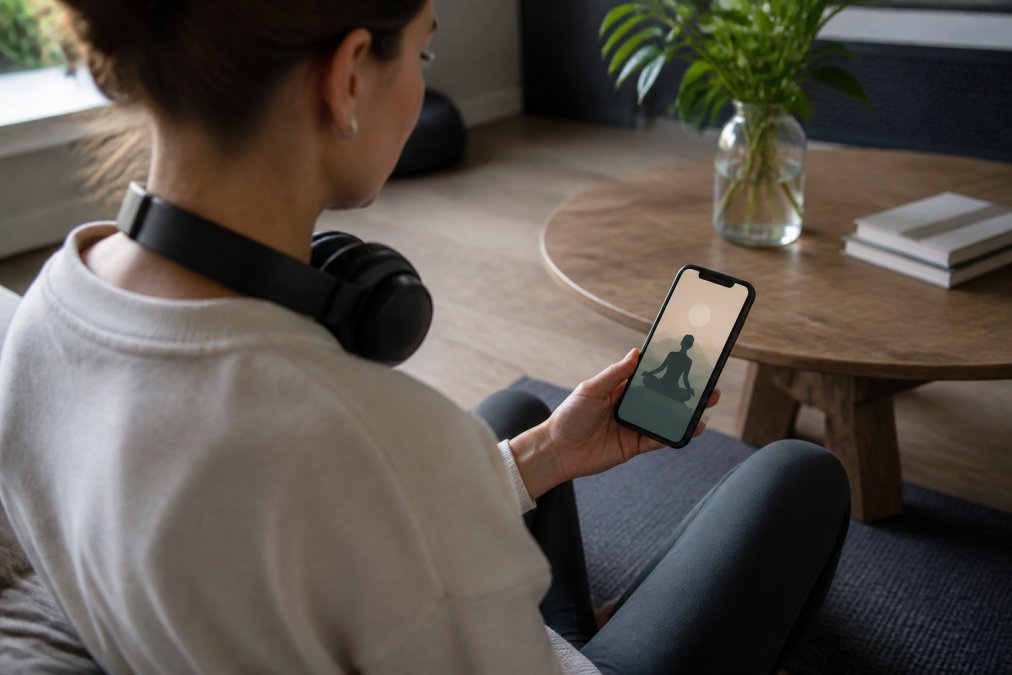
Here's how integration works in practice: Your therapist teaches you cognitive behavioral techniques in sessions, then recommends an app to practice those techniques daily. You track your mood in the app and share the data with your therapist, who adjusts your treatment based on patterns. The app reinforces learning; the therapist provides clinical oversight and personalization.
This hybrid approach is especially effective for anxiety and depression. Research supports cognitive behavioral techniques delivered both in therapy and through digital tools. The combination addresses both the acute symptoms (therapy) and long-term habit building (app).
Integration also works for maintenance. Once you've completed therapy and your symptoms are stable, an app helps you sustain progress and catch early warning signs of relapse. You're not paying for weekly therapy anymore, but you have a low-cost tool for ongoing support.
Pros and Cons: Making Your Choice
Advantages of Online Therapy
Licensed therapists provide clinical oversight, diagnosis, and personalized treatment planning. They can assess your safety, recognize patterns you might miss, and adjust your approach based on your progress. For moderate to severe symptoms, this professional assessment is irreplaceable.
Online therapy offers flexibility without sacrificing quality. You can schedule sessions around your life, communicate via video, phone, or messaging, and access care from home. Many platforms accept insurance, reducing out-of-pocket costs. The therapeutic relationship, the human connection, often drives faster improvement than self-guided approaches.
For complex conditions, trauma, or serious mental illness, professional care is the standard of care. Therapists can integrate multiple evidence-based practices and coordinate with other providers if needed.
Advantages of Self-Help Apps
Self-help apps are affordable, accessible, and require no commitment. You can try them immediately with minimal financial risk. Many offer free tiers so you can test before paying. They're available anytime, anywhere, no scheduling required.
Apps excel at building habits and daily practice. Meditation, breathing exercises, and mood tracking create structure and consistency. For mild stress and sleep issues, apps deliver measurable results. They also remove barriers to entry: no stigma, no waiting list, no therapist matching process.
Self-help apps work well for people who prefer privacy, who want to maintain autonomy over their treatment, or who are in early stages of personal growth and wellness. They're also excellent for maintenance after therapy ends.
Limitations of Each Approach
Online therapy is expensive upfront, even with insurance. It requires commitment and vulnerability, you have to show up and engage. Not all therapist matches work out; some people need to switch before finding the right fit. Insurance coverage varies, and some people don't have access to covered providers.
Self-help apps can't diagnose, can't handle crises, and can't provide the accountability that many people need. Motivation is entirely on you; if you stop using the app, progress stops. Apps don't scale for severe symptoms. And while many apps claim to be "evidence-based," the quality and effectiveness vary widely.
The biggest limitation of apps: they can't replace professional care when you need it. Using an app instead of seeking therapy for serious symptoms can delay treatment and allow conditions to worsen.
Choosing between online therapy and self-help apps depends on your symptom severity, your access to insurance coverage, and your personal preferences. For mild stress and wellness, a self-help app offers low-cost, low-barrier support. For moderate to severe symptoms, clinical diagnosis, or complex mental health conditions, online therapy provides the professional oversight and therapeutic relationship that drives meaningful change.
Many people benefit most from both: professional therapy for assessment and treatment planning, paired with a self-help app for daily practice and long-term maintenance. Soul Perfect supports this integrated approach by creating a community space where you can connect with others, access resources for intentional living, and find encouragement alongside professional care. Whether you choose therapy, apps, or a combination, the key is taking action, reaching out for support is the first step toward meaningful change.
Frequently Asked Questions
Q: What is the difference between online therapy and mental health apps?
A: Online therapy connects you with a licensed clinical professional who provides personalized treatment, diagnosis, and therapeutic alliance, meeting the standard of care for mental health intervention. Self-help apps offer self-guided software with tools like mood tracking, cognitive behavioral techniques, and meditation, but lack clinical oversight or diagnosis. Online therapy is evidence-based treatment for psychological distress; apps are low-barrier support for symptom management and personal growth. The key distinction: online therapy involves a provider-patient relationship; apps are independent tools you use alone.
Q: Are self-help apps as effective as professional therapy?
A: Self-help apps show strong effectiveness for mild symptoms, stress reduction, and behavioral health maintenance, many use evidence-based practices like cognitive behavioral techniques. However, for moderate to severe psychological distress, clinical diagnosis, or acute symptoms, licensed clinical care consistently outperforms apps. Research shows apps excel at accessibility and cost-effectiveness for low-barrier support, but they cannot replace the therapeutic relationship and personalized treatment planning that online therapy provides. The best choice depends on symptom severity and whether you need clinical oversight.
Q: When should you seek professional therapy instead of using an app?
A: Seek professional mental health help if you experience acute symptoms, suicidal thoughts, severe anxiety or depression, trauma, or symptoms lasting more than two weeks without improvement. You also need professional care if you require a clinical diagnosis, medication management, or crisis intervention. Apps are excellent for daily inspiration, mood tracking, and maintaining mental health literacy, but they cannot diagnose conditions or provide the therapeutic alliance needed for complex treatment. A licensed therapist can assess whether your symptoms require professional intervention versus self-guided support.
Q: How much does online therapy cost compared to self-help apps?
A: Self-help apps typically cost $12-$15 per month with free trials available. Online therapy platforms like BetterHelp start around $280 per month, while Talkspace begins at $276 per month, though many users pay less through insurance coverage with copays as low as $0.99. Online therapy is more expensive upfront but provides licensed clinical care and treatment efficacy for serious conditions. Apps are budget-friendly for accessibility and daily support. Consider your symptom severity and insurance coverage when comparing cost-effectiveness; professional therapy may be covered by health insurance, reducing your actual expense.
Q: What privacy and security protections do online therapy platforms and apps offer?
A: Online therapy platforms and digital health tools must comply with HIPAA (Health Insurance Portability and Accountability Act), which protects patient privacy and medical records. Most platforms use encryption and secure servers. However, privacy standards vary: some apps collect more data than others. Before choosing, review the platform's privacy policy and data security practices. Online therapy typically offers stronger privacy protections because providers are legally bound by HIPAA and clinical ethics. Self-help apps vary widely, some prioritize user privacy, while others may share data with third parties. Always verify HIPAA compliance and data handling practices for both options.
This article was written using GrandRanker